


Ayush Havan
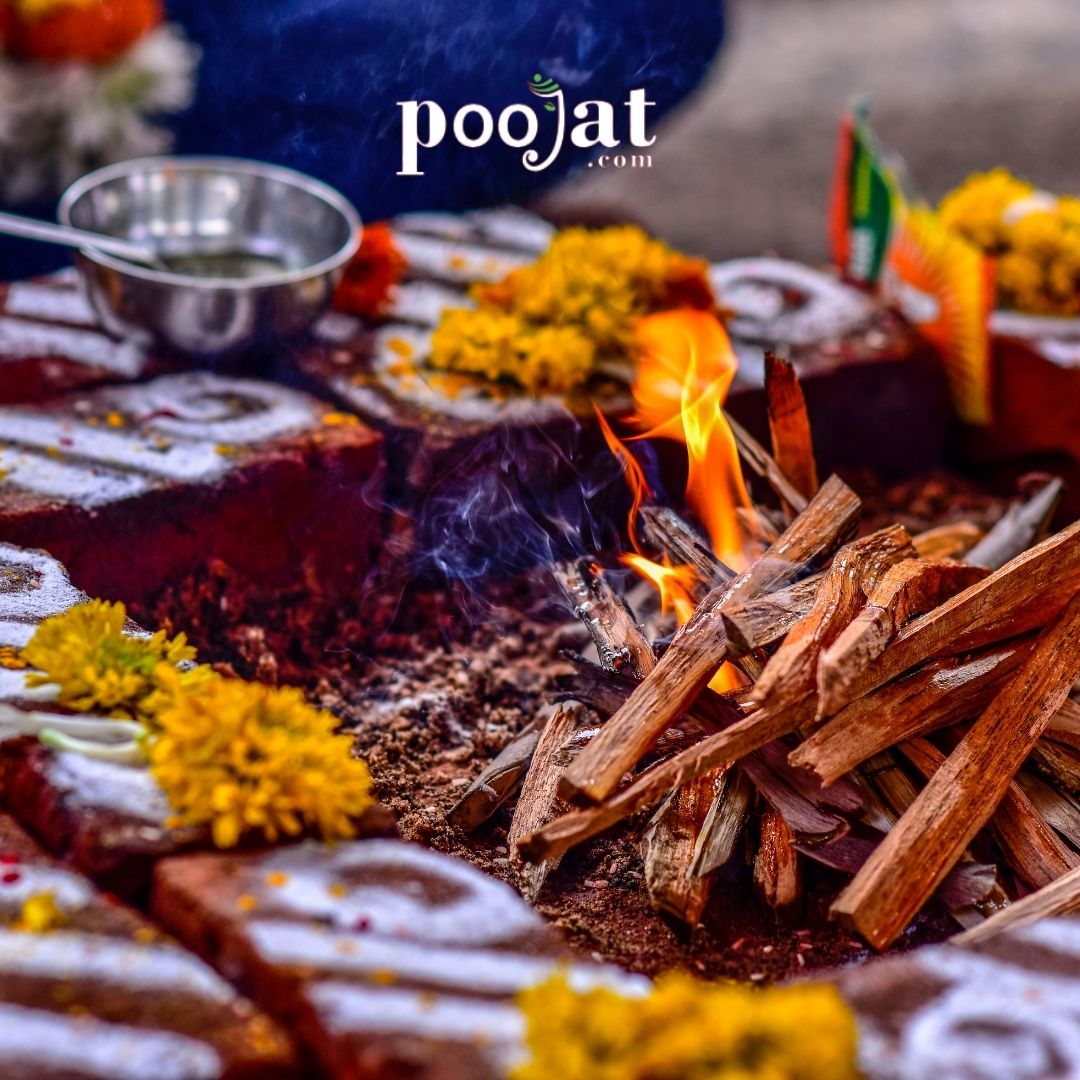
In the complex web of Hindu ceremonies and rituals, Ayush Havan and Ayush Homam are potent means of calling upon the blessings of Ayur Devatha, the god of life. These rituals, which have their origins in antiquity, are carried out to guarantee longevity, good health, and immunity to disease. This article explores the significance, meaning, advantages, and fascinating customs related to Ayush Havan and Ayush Homam.
What is Ayush Havan?
Divine fire rituals such as Ayush Havan are conducted to invoke the divine intervention of Ayur Devatha, the revered father of Ayurveda and physician to the Devas (Gods). This ceremony is typically carried out on the person's Janma Nakshatra or on a date that coincides with the Janma Nakshatra. Ayur Devatha, the principal deity, is revered as the protector of virtue and is thought to possess the key that can drive out illusions and guarantee a straight path in life.
Also Read :
Rituals and Ceremonies:
- Gauri Kalash Ganesh Nava Graha Puja: This ritual entails the invocation of the nine planets (Nava Grahas) after worshiping Gauri and Ganesh.
- Reciting the Ayush Suktam Mantras: The priest recites the Ayush Suktam mantras in an effort to invoke divine blessings for the person's longevity and well-being.
- Havan Performance: The main feature is the Havan performance, in which offerings are placed into the sacred fire to represent the link between the heavenly and terrestrial domains.
When to Perform Ayush Havan?
The auspicious date for Ayush Havan is determined based on the Janma Nakshatra of the person for whom the ritual is performed. This ensures alignment with the individual's celestial energies.
Also Read :
Benefits of Ayush Havan:
- Remedy for Health-Related Problems: Ayush Havan is hailed as a potent remedy for a myriad of health-related issues.
- Relief from Illness and Chronic Pain: The ritual is believed to bring relief from ailments and chronic pain.
- Improvement of Vitality: It enhances vitality and guards against untimely death.
Similar to Ayush Havan, Ayush Homam entails worshiping Ayur Devatha in order to obtain blessings for a long and healthy life. This havan, which represents the community's hopes for the child's prosperity and well-being, is frequently performed during the naming ceremony of a newborn.
Rituals and Ceremonies:
- Power of Attorney Transfer: Traditionally, the father performed the Ayush Homam. However, due to the evolving knowledge landscape, learned Brahmins or Shastriyars conduct the havan on behalf of parents.
- Agnigundam Symbolism: The Agni (fire) is divided into three portions, each symbolizing different aspects, including the sacred water of the Ganga and the powerful middle portion through which prayers reach the deity.
There are three separate sections to the ceremonial setup. The middle section, which is thought to be powerful, is devoted to prayers and offerings and has a rangoli of Lord
Also Read:
Ganesha. The eastern portion is decorated with a rangoli that represents the five main elements of nature. The house of the Kalasham, which represents the Ganga's holy water, is at the very end. Three phases make up the Ayush Homam: Kamaadi, which starts with prayers to Lord Ganesha for a smooth process; Kammahdya, which is the transfer of power of attorney to the Brahmin in charge; and Kamaanthya, which concludes with more prayers and offerings. Newborns are honored in lavish ceremonies that honor their special role in life. The infants are dressed in silk or other opulent clothing.
Ayush Havan and Ayush Homam stand out as ageless customs in the vast variety of Hindu ceremonies, interlacing the themes of well-being, longevity, and divine protection. These rituals, which have their roots in Vedic wisdom, are profound expressions of devotion and hope for a healthy life rather than just rituals. People embrace the blessings of Ayur Devatha and discover the keys to a vibrant and fulfilling life as the sacred fires flicker and the mantras resound. Execute Ayush Havan and Ayush Homam, and allow the divine forces to welcome abundance, well-being, and the ageless bestowment of longevity.