


Exploring the 12 Jyotirlingas of India
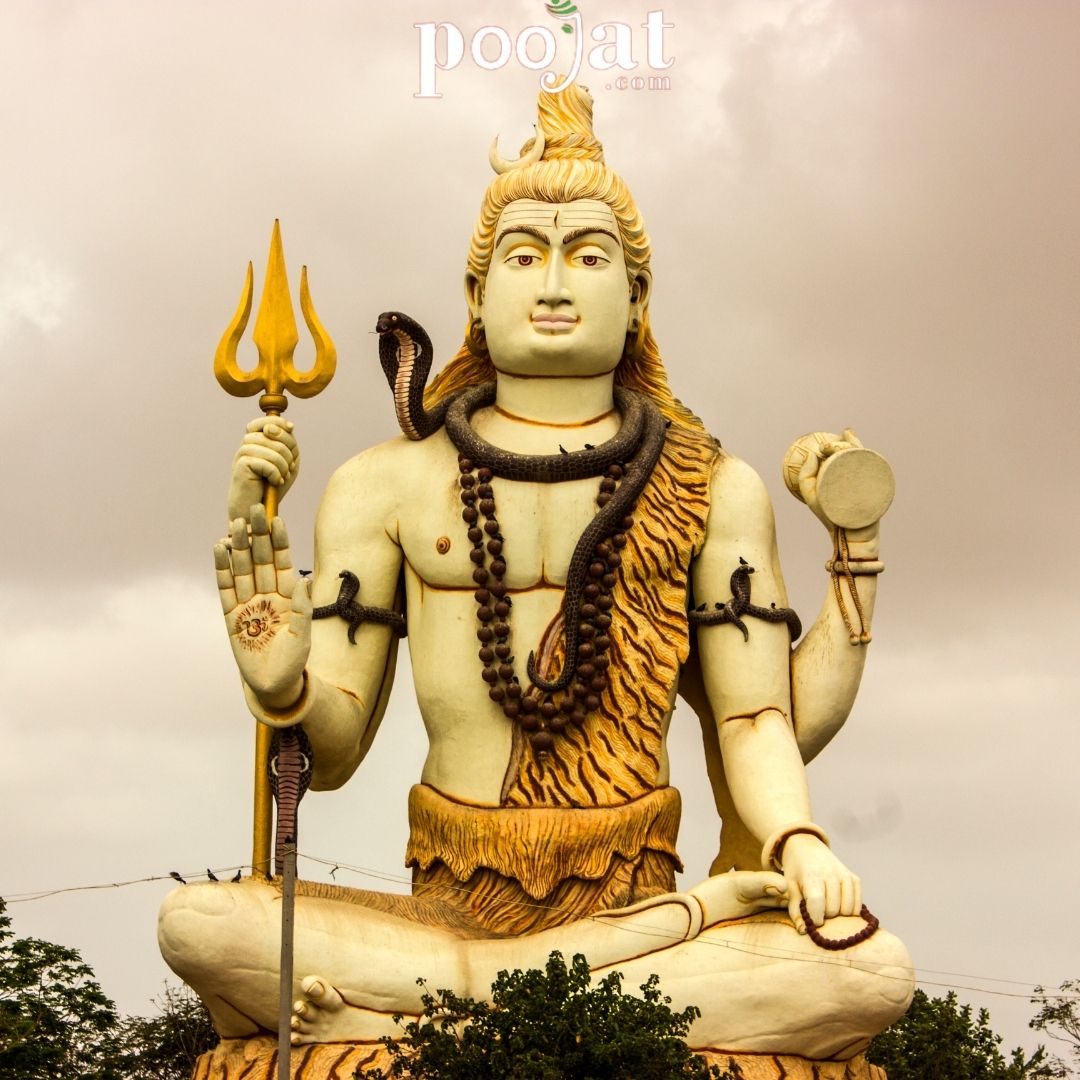
The holiest pilgrimage sites known as the Jyotirlingas are located in India and are an integral part of the nation's rich mythological and spiritual heritage. Carefully placed around the nation, these twelve celestial manifestations of Lord Shiva draw in both curious tourists and devoted Hindus. The Sanskrit words "jyothi," which means brightness, and "linga," which is the phallus and symbolizes Lord Shiva's cosmic light and vitality, are combined to form the term "Jyotirlinga". One can have a spiritual reckoning experience and get a glimpse of the tranquility and beauty of the sanctuaries by visiting these hallowed locations.
The 12 Jyotirlingas
Somnath – Gir Somnath In Gujarat:
The first of the twelve Jyotirlingas, Somnath, is a luminous heavenly light that stands in Gujarat. Stories of Lord Shiva appearing as a sizzling column of light are echoed in the temple's Chalukya-style architecture. Stories from the Shiv Purana describe how Moon married 27 of Dakshin Prajapati's daughters inside the hallowed walls of Somnath.
Nageshwar – Daarukavanam In Gujarat:
Located on the Saurashtra coast, Nageshwar is a potent Jyotirlinga that represents defense against all poisons. The temple, which is home to a 25-meter-tall statue of Lord Shiva, captivates the hearts of devotees who come to seek blessings from Nageshwar Mahadev as it looks out over the azure Arabian Sea.
Bhimashankar – Pune In Maharashtra:
The Bhimashankar temple, which is located on the banks of the Bhima River, is home to an amazing black rock building with Nagara architectural patterns. According to legend, Bheema, Kumbhakarna's son, constructed this Jyotirlinga. This sanctuary is frequented by pilgrims, particularly during the auspicious Maha Shivratri.
Trimbakeshwar – Nashik In Maharashtra:
Trimbakeshwar, which is close to the Brahmagiri mountain, is distinct because it is a void rather than a shrine. The three pillars within stand for Brahma, Vishnu, and Maheshwar, the three mighty gods. Trimbakeshwar's ethereal charm is enhanced by the Godavari River and Gautami Rishi's plea.
Grishneshwar – Aurangabad In Maharashtra:
Situated close to the well-known Ajanta and Ellora Caves, the five-story Grishneshwar temple is designed in the Shikhara style. Constructed by Ahilyabai Holkar, the temple's enormous Nandi Bull and red rock carvings of Gods and Goddesses evoke awe in those who visit.
Deoghar - Vaidyanath in Jharkhand:
Vaidyanath in Deoghar, Jharkhand, is revered as one of the 52 shakti pethas shrines of Sati and is considered to be particularly significant among the Jyotirlingas. Lord Shiva resides here as Vaidyanath, and the legend tells how Ravana's devotion led to the construction of this hallowed shrine.
Also Read;
Ujjain, Mahakaleshwar, Madhya Pradesh:
Among the seven mukti-stalas, which are thought to free people for all eternity, is the Mahakaleshwar temple in Ujjain, which is tucked away in the deep Mahakal forest. There is a legend that this sacred Jyotirlinga was established by a five-year-old boy who was moved by the devotion of King Chandrasena.
Khandwa, Omkareshwar, Madhya Pradesh:
Omkareshwar, the "Lord of the Om Sound," is positioned on the Shivapuri island in the Narmada River. The temple's mythological significance stems from a battle between the Danavas and the Devas, in which Lord Shiva, assuming the form of Omkareshwar, intervened to secure the Devas' victory.
Kashi Vishwanath – Varanasi In Uttar Pradesh:
Renowned as the Golden Temple in Varanasi, Kashi Vishwanath is a testament to Maharani Ahilyabai Holkar's devotion. Considered one of the first Jyotirlingas, the temple showcases Lord Shiva's power breaking through the Earth's surface, ascending towards heaven.
Kedarnath – Kedarnath In Uttarakhand:
Majestically perched in the Rudra Himalayan Range, Kedarnath Jyotirlinga is one of the Char Dham and four dhams of Hindu religion. Pilgrims believe that bathing the linga in Kedarnath can rid them of unhappiness and misfortunes, despite the challenging trek to reach this divine abode.
Rameshwaram – Rameswaram Island In Tamil Nadu:-
Rameshwaram Jyotirlinga, worshiped by Lord Rama after his victory over Ravana, stands as the southernmost Jyotirlinga. The temple's architecture, adorned corridors, and the sacred 36 theerthams make it a significant pilgrimage site approached via Madurai in Tamil Nadu.
Mallikarjuna – Srisailam In Andhra Pradesh:
Known as the Kailash of the South, Mallikarjuna Jyotirlinga temple rests atop Shri Saila Mountain on the banks of the River Krishna. Adorned with beautiful architecture, sculptures, and decorated pillars, the temple is listed among the 52 shakti peeths of Sati.
Also Read:
The twelve Jyotirlinga pilgrimages in India are more than just a trip; they are an enlightening voyage through the nation's spiritual, historical, and cultural fabric. Every Jyotirlinga tells a different story that reflects the various customs and ideologies that have influenced India's spiritual landscape.Travelers seeking the divine presence of Lord Shiva cross over from the western coast of Gujarat to the southern tip of Rameswaram, from the central heartland of Madhya Pradesh to the Himalayan heights of Uttarakhand. Along the way, they take in the colorful mosaic of India's traditions and landscapes.
In addition to being revered shrines, the 12 Jyotirlingas are living examples of the eternal cosmic energy that permeates India's core. The divine odyssey is a call to encounter the faith that unites millions of people on this holy journey, the unity in diversity, and the spiritual resonance that transcends time.Every step taken on the path to the 12 Jyotirlingas is a step closer to the divine light that illuminates the soul. May it be a life-changing and enlightening experience.
Also Read: