


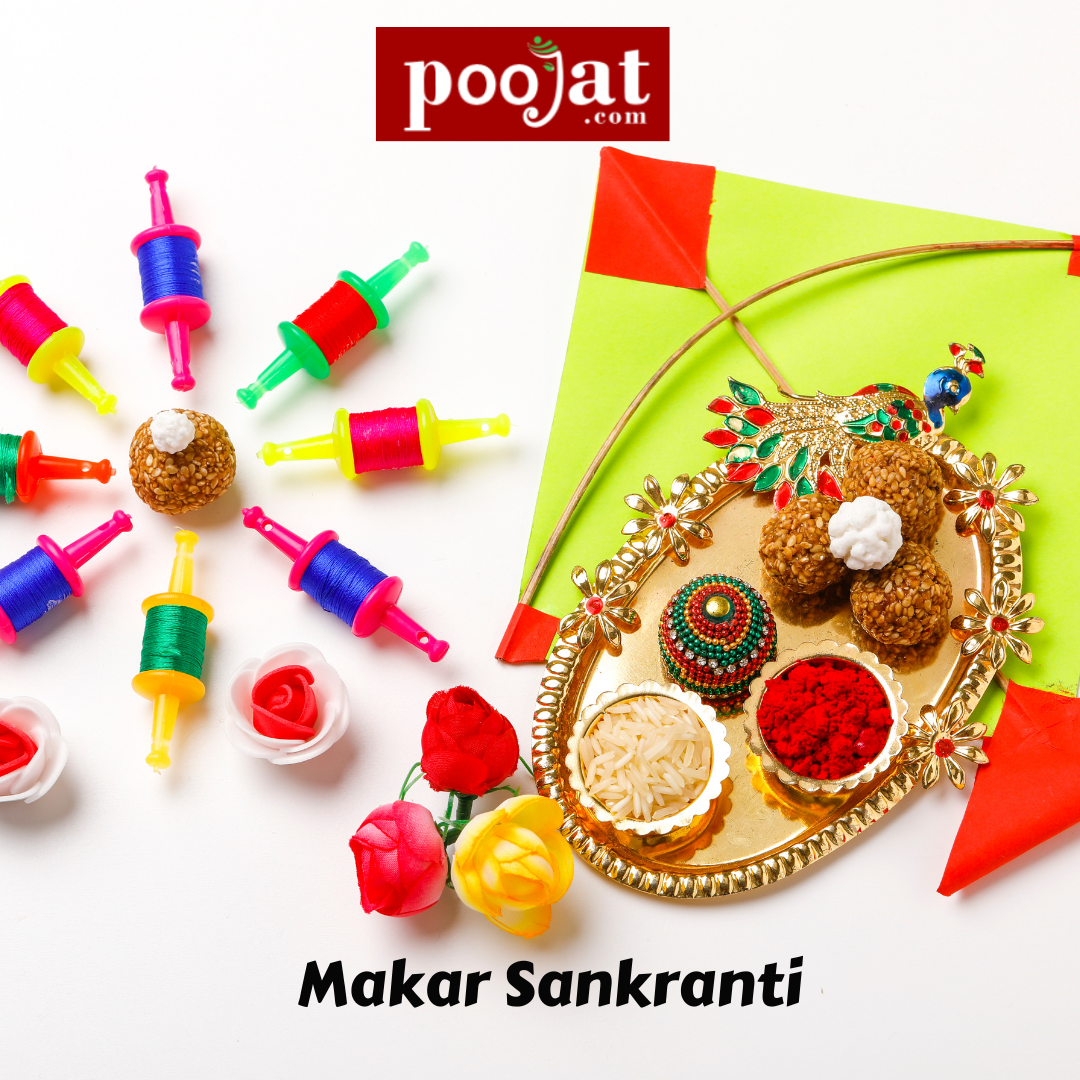
Makar Sankranti, a joyous celebration of the Sun's arrival in the Capricorn constellation, is a complex tapestry woven with ancient customs, cultural diversity, and celestial importance. It is set for January 15, 2024, a lucky day that falls on both the Gregorian and solar calendars. The Sun's exquisite astrological dance as it enters Capricorn, saying goodbye to winter and hello to the promise of spring, is the festival's central feature. Through nature's cyclical transition, this cosmic spectacle turns Capricorn into a dazzling stage, signifying optimism and hope.
The central feature of Makar Sankranti is a captivating celestial ballet in which the Sun twirls elegantly into the sign of Capricorn. This heavenly meeting signals the arrival of spring and provides a lyrical coda to winter's embrace. Makara, the zodiac sign for Capricorn, represents the cyclical transition of nature from hardness to mildness. Through this transformation, Capricorn becomes a bright stage for the Sun's display.With its roots in rural areas, Makar Sankranti develops into a festive tribute to the labor of farmers. The crescendo of harvest season fills fields with the fruits of work as the Sun moves into Capricorn. The festival honors diligent farmers—the unseen heroes who toil endlessly to cultivate food—beyond just celebrating abundance.
Also Read :The essence of the Radha Krishna Puja
Makar Sankranti sets out on a spiritual quest beyond the rural tapestry. Hindus from all across the states and territories gather ceremoniously to worship the Sun God. Bathing rituals in the sacred Ganges or the Triveni Sangam, which is the confluence of the Yamuna, Saraswati, and Ganga, serve as a means of purification, allowing one to release the sins of the past. This fortunate time encourages people to start their spiritual journeys and good deeds, setting the foundation for lucky stars.
Harmony Among Differences: Local Festivities
The festival of Makar Sankranti is felt throughout India in a variety of cultural symphonies. Every state adds a different rhythm to the celebration, from the lively pulses of Maharashtra to the calm customs of Goa. Regional differences give the celebration additional colors, forming a cultural mosaic that enhances the overall picture.
Also Read :The Haldi Ceremony in Indian Weddings
Makar Sankranti is given life by legends that are woven into the cultural fabric. Some people hold Sankranti in high regard as a goddess who vanquished demons such as Sankarasur and Kinkarasur. These old stories give the festival layers of meaning and weave a mythological tapestry that deepens the celebration.
Epic Music: Sophisticated Flavors
Makar Sankranti brings with it the sound of festivity resonating through homes, and food takes center stage. Richan poli, til-gul laddoo, and multicolored halwa rise to prominence in cuisine, representing the joyous occasion and the splendor of the harvest. Families enjoy the bounty and richness of the season together over these delicious delicacies.
Makar Sankranti spreads its wings in 2024 in the face of the pandemic's difficulties. Large gatherings may be subject to limitations, yet the spirit of the event never fades. Keeping to safety regulations while decorating homes, cooking special treats, and organizing small get-togethers with loved ones are some ways to celebrate the holiday. Traditions' tenacity comes through, demonstrating flexibility in the face of difficulty.
One remarkable aspect of Makar Sankranti is the notion that people who die within the six months beginning on the day of the festival get direct access to heaven, avoiding the cycle of rebirth. This cosmic blessing adds a spiritual element that takes the celebration above ground level and emphasizes the close relationship between life on Earth and the celestial spheres.
Also Read :Vat Savitri Vrat
Makar Sankranti becomes more than just a celebration; it becomes an enduring fabric that skillfully interweaves spiritual renewal, agricultural bountifulness, and celestial wonders. The Sun is calling people to embrace rebirth, forgiveness, and the joy of harvest as it moves elegantly into Capricorn. Regional differences enhance India's cultural mosaic by contributing a variety of hues. Makar Sankranti is an ode to the harmonious dance of custom, environment, and spirituality amid celebration, thanksgiving, and the perfume of feasts. Through its celebration, one finds the connecting thread that unites communities throughout the enormous expanse of the Indian subcontinent, in addition to the astronomical alignment.