


Dhanvantari Homam and Havan: Vedic Ceremony
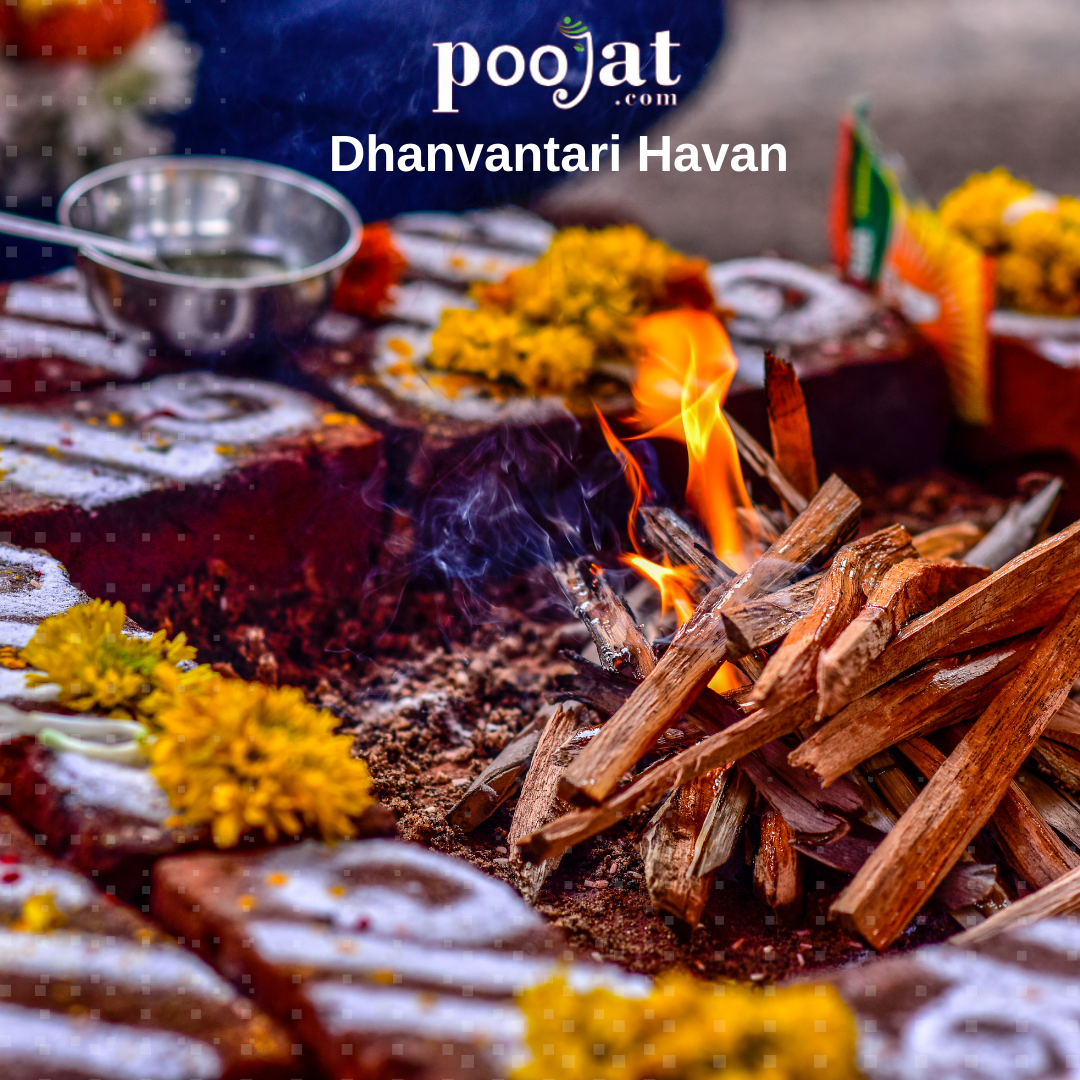
The Vedic rituals called Dhanvantari Havan and Homam are offered in honor of Lord Dhanvantari, who is a heavenly physician and a manifestation of Lord Vishnu. The purpose of these ceremonies is to ask for blessings related to longevity, health, and general well-being. The traditional Indian medical system known as Ayurveda is credited to its founder, Lord Dhanvantari.
Significance of Dhanvantari:
An important figure in Hindu mythology, Lord Dhanvantari is connected to the Samudra Manthan (the churning of the ocean). He reappeared during this cosmic event carrying the pot of nectar meant to restore the spirits of the dead. The Havan is usually done on Ekadashi or for someone who is ill with the intention of calling upon Lord Dhanvantari's healing energies.
A priest recites the Purusha Suktam, Dhanvantari moola mantra, and Dhanvantari Gayatri mantras at the Dhanvantari Havan. Medicinal herbs are offered into the sacred fire, signifying the healing of physical diseases and the purifying of the atmosphere. TBenefits of Dhanvantari Havan:
Strong Remedy: Regarded as the strongest cure for ailments relating to health.
The goal of the disease-free existence is to be free of illnesses and ongoing pain.
Enhanced vigor: Protects against premature death and improves general vigor.
An important ceremony called Dhanvantari Homam is carried out to pay respects to Lord Dhanvantari. Invoking Lord Dhanvantari in a Kalash (holy pot) and making offerings (Ahutis) in the sacred fire are the two main components of this ritual. It is thought that the Homam has the ability to heal and reverse medical issues.
Depiction of Dhanvantari:
Frequently portrayed holding the Amrit-Kalash, Shankh (conch), Chakra (discus), and Jalauka (leech) in four hands, is Lord Dhanvantari. Ayurvedic medicines and the Ayurveda Granth (Book) are also included in some representations, highlighting his divinity status.To ask Lord Dhanvantari for success, prosperity, and good health, Dhanvantari Puja is held. With the goal of strengthening the body and mind and restoring health, the puja is especially helpful for those who are ill. It is recommended to perform the puja once a year for a healthy and long life.
Also Read: Godh Bharai Pooja
Benefits of Dhanvantari Puja:
Blessings of Lord Vishnu: requesting the blessings of Goddess Lakshmi's consort, Lord Vishnu.
Strength and Energy: Seek to get strength, energy, and longevity.
Eradication of Disease: Said to aid in the removal of ailments and health issues.
General Well-Being: Assists in leading a contented and tranquil life.
Manifestation of Desires: Aids in the realization of wishes for success, money, and good fortune.
The Puranic and ancient texts emphasize Lord Dhanvantari's function as the universal healer. When people struggle with persistent health problems, low energy, and exhaustion even with careful measures and medical attention, the Dhanvantari Havan is seen as a helpful and efficient remedy. It is believed that this practice will lead to good health and a peaceful life, in line with the precepts of the age-old Vedic knowledge.
In the Vedic traditions, the performance of Dhanvantari Havan is stressed in the setting of ongoing health issues, exhaustion, and barriers to accomplishment. When combined with the recitation of Lord Dhanvantari's mantras, the puja is considered a powerful healing.
Also Read: Ganapathi Havan and its Profound Benefits
Dhanvantari Homam Procedure:
During the homam, 108 distinct medicinal plants are used to chant the Dhanvantari Mantra. When these plants are burned, their healing qualities are released into the air, cleansing it and curing illnesses.
The Srimad Bhagavatam states that Lord Dhanvantari materialized with a jug of nectar as the cosmic milk ocean was being stirred. The goddess of wealth, Lakshmi, was among the divine entities and objects that arose during the crucial event of churning. Lord Vishnu, in different forms, played a crucial role in aiding the demigods during this cosmic episode.
Hinduism places great importance on Dhanvantari Havan and Homam, which are potent rites for general health and well-being. These rituals have their origins in the old Vedic traditions and emphasize the significance of calling upon divine powers to promote well-being, success, and prosperity. The ceremonies have a strong connection to the historical accounts of Hindu mythology, which depict Lord Vishnu's supernatural interventions for the well-being of the universe, in addition to their spiritual significance.
Also Read: Gand Mool Nakshatra: Rituals, and Spiritual