


Ganesh Chaturthi: Tradition, Worship, and Historical Significance
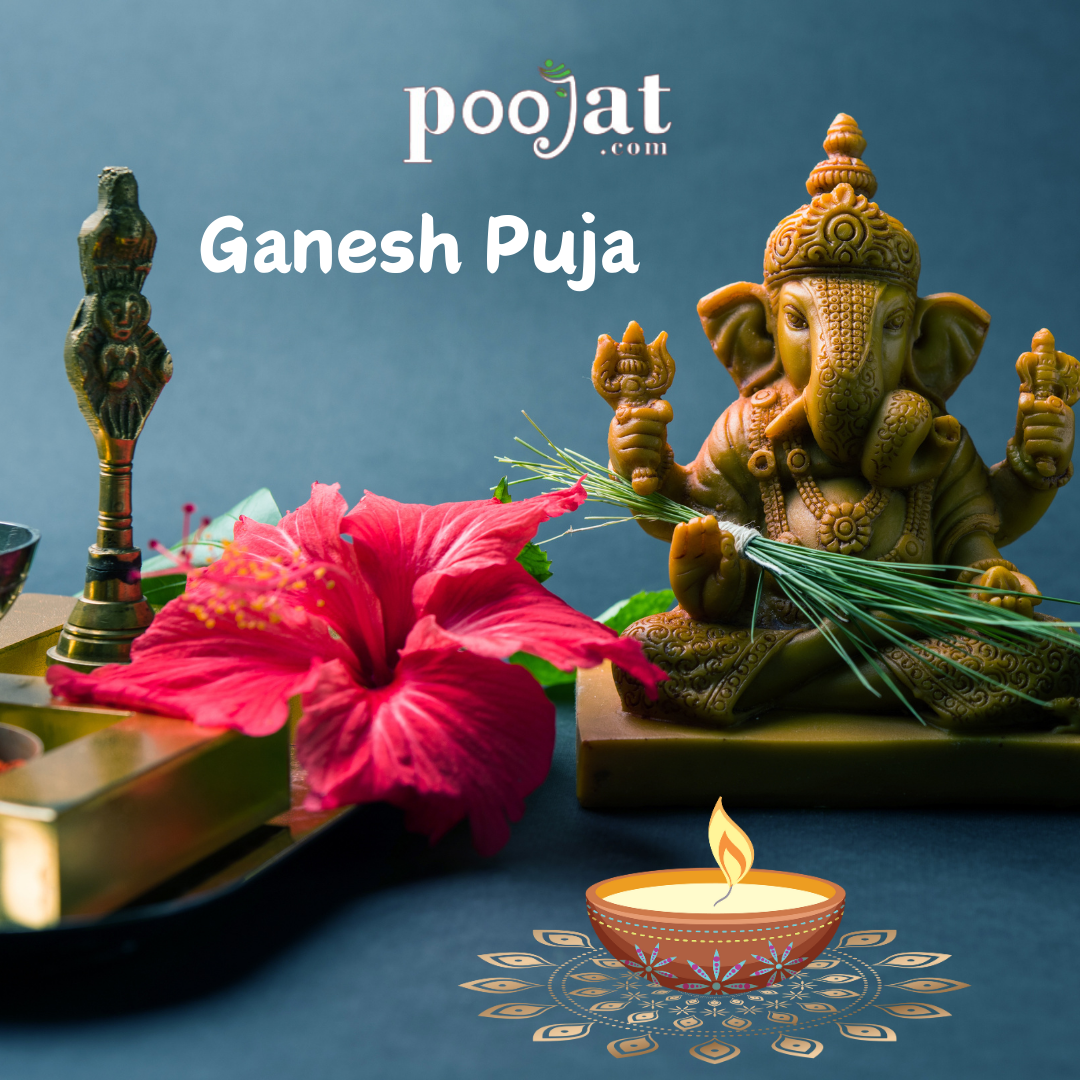
India, a nation rich in traditions and diverse cultures, is proud of the colorful tapestry of festivals that reflect the nation's ingrained spirituality. Of all the festivals, Ganesh Chaturthi is one that is particularly significant. The colorful celebration of the birth of the adored elephant-headed God, Lord Ganesha, spans ten days. Ganesh Chaturthi is a Hindu holiday with deep cultural significance that is celebrated with joy and devotion.
Lord Ganesha: The Remover of Obstacles:
In Hindu mythology, Lord Ganesha—the son of Shiva and Parvati—is revered as the remover of obstacles and the herald of prosperity, wisdom, and stability. He is one of the most worshipped gods in the Hindu pantheon because of his characteristic elephant head and kind disposition. Since his divine presence is thought to bring order to the universe, it is customary to ask for his blessings before beginning any new project, intellectual endeavour, or business venture.
The Festival Rituals:
Ten days are dedicated to a series of rituals that celebrate Ganesh Chaturthi. This auspicious occasion is marked by four important ceremonies: Prana Pratishta, Shodashopachara, Uttarpuja, and Ganpati Visarjan. The celebrations start when Ganesha idols, usually made of clay and decorated with lights and flowers, are placed in homes or makeshift public platforms called pandals.
1. Prana Pratishta:
Priests recite mantras during the Prana Pratishta ceremony, calling Ganesha's divine presence into the clay deity. This signifies the beginning of the festival and the embodiment of the deity for the duration of the festivities.
2. Shodashopachara:
After Prana Pratishta, Ganesha is worshipped using the 16-step Shodashopachara ritual. Formal prayers are said at each stage, evoking a sacred space full of reverence and devotion.
3. Uttarpuja:
Lord Ganesha is bid farewell with Uttarpuja on the final day of the celebration. Through this ceremony, followers of the deity bid him farewell and convey their appreciation for his kindness throughout the celebration.
4. Ganpati Visarjan:
Ganpati Visarjan, the grand finale, is a public procession that includes devotional music and the moving of the Ganesha idol to a nearby body of water. The immersion represents Lord Ganesha's return to the sacred mountain of Mount Kailash, the home of Shiva and Parvati.
Also Read: Kal Bhairav Puja Vidhi and Vastu
Historical Significance:
Although Ganesh Chaturthi has ancient origins, historians believe that Shivaji Bhosale I, the Indian king, sponsored the celebration of the festival in the 1600s, which is when it first became well-known. But it wasn't until the 19th century—and the efforts of freedom fighter Bal Gangadhar Tilak—that the festival saw a resurgence.
During the 10-day celebration in 1892, cities like Pune and Mumbai were brimming with devotees despite British prohibitions against large gatherings. By instilling patriotic fervour on Ganesh Chaturthi, Bal Gangadhar Tilak skillfully transformed the festival into a symbol of India's independence movement. The collective love and devotion for Ganesha grew into a strong force that embodied the Indian people's unwavering spirit.
Modern Festivities
Ganesh Chaturthi is still observed nationwide with unmatched fervor today. Families continue to welcome Ganesha into their homes, and communities come together for public celebrations in the shape of large pandals. Over the years, certain malpractices have also surfaced at the festival, though.
Also Read:Char Dham Yatra about it in detail
The Hindu Janajagruti Samiti actively promotes a more spiritual Ganesh Chaturthi celebration and works to raise awareness of the festival. Through awareness campaigns and pushing Ganeshotsav mandals to embrace a deeper spiritual dimension, the Samiti seeks to bring back the original spirit of the festival and do away with bad customs.
Ganesh Chaturthi is a reminder of India's enduring spirituality and diversity of culture. In addition to its colorful celebrations and historical significance, the festival symbolizes a strong devotion to Lord Ganesha, the prosperity and wisdom harbinger. As the country continues to fervently celebrate Ganesh Chaturthi, it is crucial to maintain its spiritual essence and uphold the values it represents—a devotion that has the capacity to overcome challenges and open the door for a prosperous, united future.
Also Read:About Dev Diwali