


The importance of Laxmi Puja on Diwali and How to Perform it
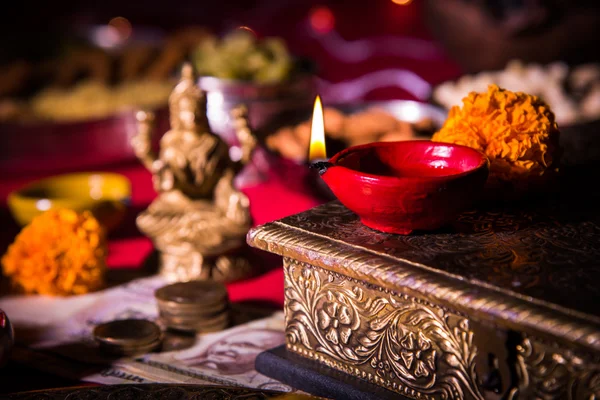
In Hindu culture, Laxmi Puja, which is observed on the third day of Diwali, is of utmost importance. It is devoted to Goddess Laxmi, a goddess of abundance, prosperity, and spiritual well-being. This page discusses the significance of Laxmi Puja during Diwali, the festival's overall significance, and offers instructions on how to conduct the puja. We will also explore the religious and historical significance of Diwali.
Laxmi Puja's significance during Diwali
As it requests the blessings of Goddess Laxmi, who represents prosperity, abundance, and the accomplishment of life goals, Laxmi Puja is a crucial component of the Diwali celebrations. The word "Lakshmi" itself denotes great wealth, encompassing various aspects such as Adi Lakshmi (the primal source of wealth), Dhana Lakshmi (financial wealth), Vidya Lakshmi (knowledge), Dhanya Lakshmi (agricultural wealth), Santana Lakshmi (progeny), Dhairya Lakshmi (courage), Vijaya Lakshmi (victory), and Bhagya Lakshmi (fortune).
In addition, Goddess Laxmi represents spiritual riches that transcends the three worlds of Adibhautik (physical), Adidhaivik (divine), and Adhyatmik (spiritual), in addition to worldly success. Worshiping her helps followers find the courage, serenity, and direction they need to achieve their goals in life.
The five-day festival of lights known as Diwali, often referred to as Deepawali, celebrates the triumph of good over evil. There are numerous cultural and mythical interpretations on it:
Diwali in northern India celebrates Lord Rama's homecoming to Ayodhya following his victory over the evil ruler Ravana. To welcome him, the citizens of Ayodhya ignited rows of diyas, illuminating the entire kingdom.
Victory of Lord Krishna: Narak Chaturdashi, or the day of Lord Krishna's victory over the demon Narakasura, is celebrated as Diwali in southern India.
Lord Vishnu and Goddess Lakshmi: In Western India, Diwali is associated with the day that Lord Vishnu delivered Goddess Lakshmi from the demon king Bali and then dispatched him to rule the underworld.
Sikhism: For Sikhs, Diwali holds significance as Guru Hargovind Singh's release from Mughal imprisonment, along with other Hindu kings.
Pandavas' Return: According to the Mahabharata, the Pandavas returned to Hastinapur on Diwali.
Laxmi Puja on Diwali – How to Perform: Performing Laxmi Puja during Diwali is a sacred tradition.
Here is a step-by-step guide on how to conduct the puja:
- Cleaning your home properly in the days before the puja is an important part of preparation.
- Create an altar in the puja room and place statues of Lakshmi, Narayana, and/or Ganesha on it.
Puja Rituals:
- With cow's ghee and turmeric (Haldi), light a diya (lamp).
- Offer marigolds and other yellow flowers and fruits, such bananas and mangoes.
- Put a Kesar tilak on your forehead and the idols.
- By applying a mixture of gangajal, rosewater, and Haldi to your home's main door and locker, you can make a "Shree" symbol.
- Use yellow components to make prasad, such as besan or gram flour-based desserts.
- 108 repeats of the mantra "Om Shreem Satyalokapalakaya Namah" or the Lakshmi Ganesh Katha are required.
- Pray to the gods, ask for their blessings, and beg for their pardon.
- Give prasad to your family, friends, and neighbours.
Also Read: https://www.poojat.com/blogs_details?id=laxmi-puja-2023
Items Required for Diwali Puja
- Red cloth
- Lotus flower
- Tulsi leaves
- Conch
- Chuniri
- Mango leaves
- Kesar (saffron)
- Haldi (turmeric)
- Sindoor (vermilion)
- Incense sticks
- Fruits for prasad
- Yellow flowers
- Camphor
- Dry fruits
- Rice
- Sweets
Also Read : https://www.poojat.com/blogs_details?id=karwa-chauth-2023
Spiritual Significance of Diwali:
Diwali falls in the Kartik month (October to November), and it signifies new beginnings, the triumph of good over evil, and unity among family members. It is a time for forgiveness and spreading love, joy, and laughter. The festival marks the return from darkness to light, symbolizing the victory of righteousness. The fragrance of autumn air signals the beginning of festivities and celebrations, filling the hearts of people with anticipation and happiness.
Laxmi Puja on Diwali is a spiritually enriching and culturally significant tradition that brings prosperity and well-being into one's life. Diwali, as a whole, is a time for celebrating the victory of good over evil and signifies new beginnings, unity, and the triumph of light over darkness. By following the rituals and traditions of Diwali, people seek the blessings of Goddess Laxmi and invite positivity into their lives. Embrace the festive spirit, spread love, and enjoy the luminous celebrations of Diwali.