










Gaya Shradh is one of the most sacred rituals in Hindu tradition performed for the peace and salvation of departed ancestors. Conducted in the holy city of Gaya in Bihar, this ritual holds immense spiritual significance and is believed to liberate the souls of ancestors, granting them moksha (liberation) from the cycle of birth and death. Devotees from across India and the world travel to Gaya to perform Pind Daan and Shradh rituals, fulfilling their duty towards their forefathers.
Book now Pind daan in Gaya
Importance of Gaya Shradh
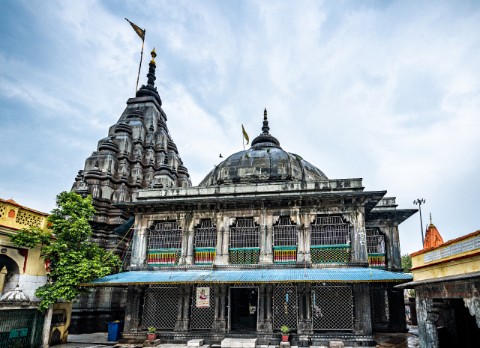
According to Hindu scriptures such as the Garuda Purana and Vayu Purana, performing Shradh in Gaya is considered the most powerful way to satisfy ancestors. It is believed that Lord Vishnu himself blessed this sacred land. The famous Vishnupad Temple, where Lord Vishnu’s footprint is preserved, is the primary place where devotees offer prayers and perform Shradh rituals.
The ritual of Gaya Shradh is believed to free ancestors from any unfulfilled desires and help them attain eternal peace. Hindus believe that when ancestors are satisfied, they bless their descendants with prosperity, health, and success.

What is Pind Daan in Gaya?
A major part of the Gaya Shradh ritual is Pind Daan. In this ceremony, offerings called pinds (balls made of rice, barley flour, sesame seeds, and honey) are offered to the ancestors. These symbolic offerings represent nourishment for the departed souls.
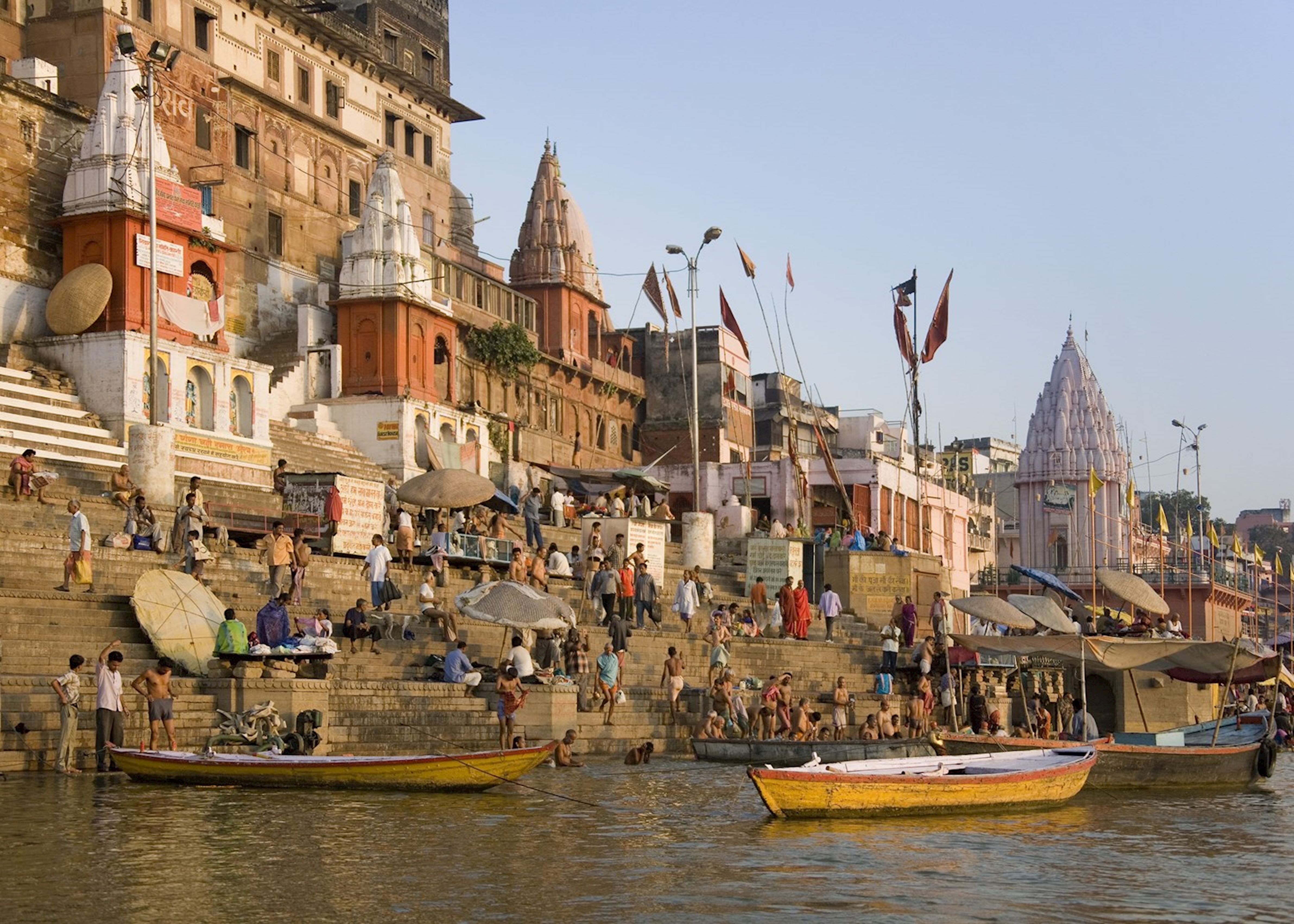
The ritual is usually performed on the banks of the Falgu River, which is considered sacred. Devotees perform tarpan (water offerings) and prayers under the guidance of experienced Gaya Pandits, who have been conducting these rituals for generations.
Best Time to Perform Gaya Shradh
Although Gaya Shradh can be performed throughout the year, the most auspicious time is during Pitru Paksha, a 16-day period dedicated to ancestors in the Hindu lunar calendar. During Pitru Paksha, thousands of devotees visit Gaya to perform Shradh, believing that rituals done during this period bring maximum spiritual benefits.
Ritual Process of Gaya Shradh
The Gaya Shradh ritual usually involves several important steps:
-
Snan (Holy Bath) in the Falgu River.
-
Pind Daan offerings to ancestors at 3 places Vishnupad Mandir, Falgu Nadi and Akshay Vat.
-
Tarpan (offering water mixed with sesame seeds).
-
Mantras and prayers performed by qualified pandits.
-
Brahmin bhojan and dakshina, which completes the ritual.
Each step is meant to honor and remember ancestors while seeking blessings for the family.
Spiritual Benefits of Gaya Shradh
Performing Gaya Shradh is believed to:
-
Bring peace to departed souls
-
Remove ancestral dosha (Pitru Dosh)
-
Bring prosperity and harmony in the family
-
Fulfill the spiritual duty towards ancestors
Many devotees believe that once Pind Daan is performed in Gaya, it need not be repeated again in life because of its powerful spiritual significance.
Book Gaya Shradh with Trusted Pandits
Today, many devotees prefer to arrange these rituals through trusted services that connect them with experienced Gaya Pandits. Platforms like Poojat help families perform Gaya Shradh and Pind Daan with proper Vedic rituals, even if they are unable to travel personally.
Performing Gaya Shradh is a compulsory rituals for every Hindu Worldwide.It is mentioned in Garur Purana that every Hindu should perform Pind daan in Gaya once in a lifetime.


