


Hanuman Chalisa - Timeless Devotion and Spiritual Significance
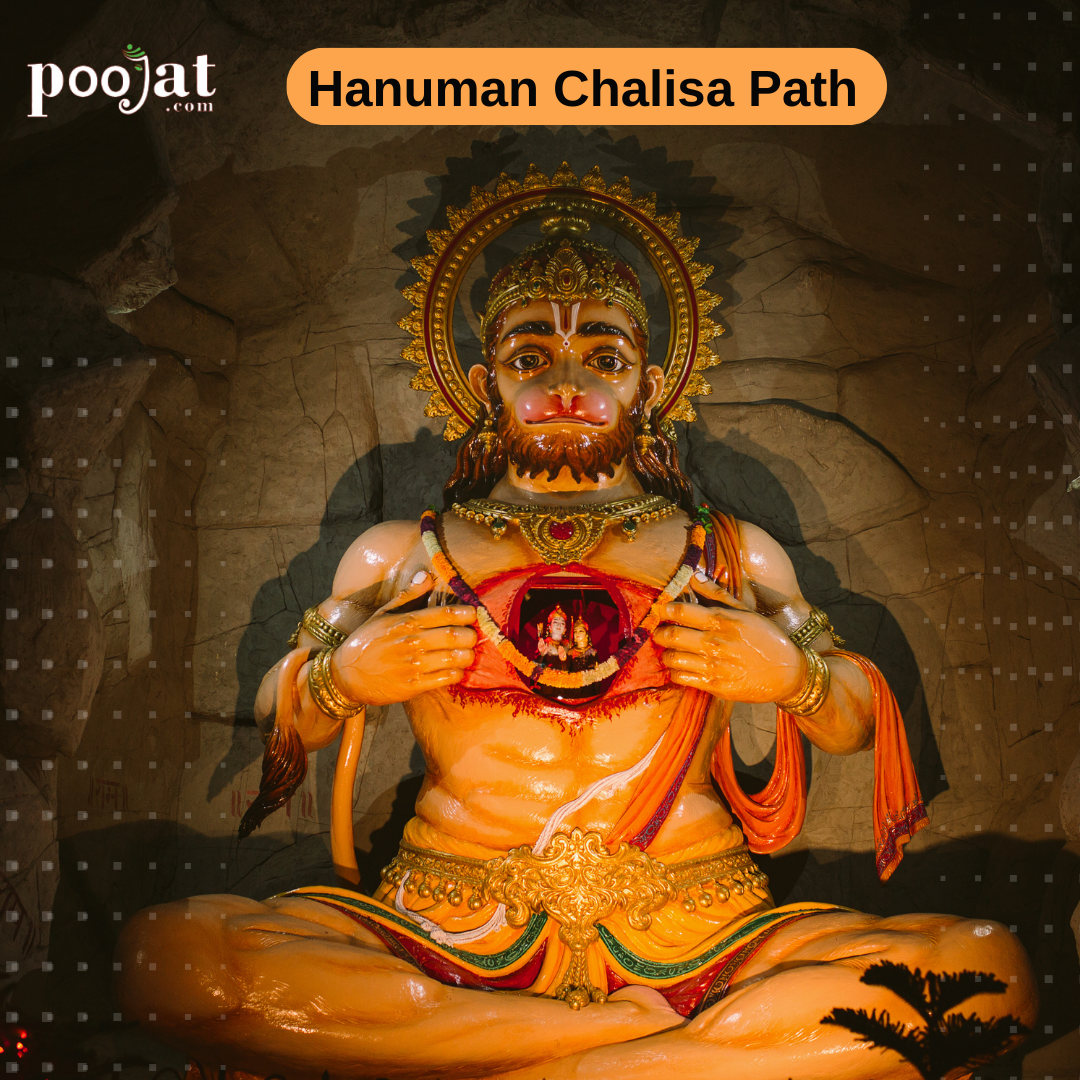
Saint Goswami Tulsidas wrote the hymn Hanuman Chalisa in the sixteenth century. It is a timeless example of devotional devotion, echoing the qualities of Lord Hanuman, the embodiment of faith and submission. This essay explores the origin, verses, and spiritual benefits of reciting the Hanuman Chalisa, delving into its lyrics, relevance, and profound meaning.
The Origin and Significance:
Tulsidas wrote the Tulsi Ramayana, which is where the Hanuman Chalisa originates. According to legend, Tulsidas, sick, resorted to Lord Hanuman's devotion and, by writing this poem, not only recovered his health but also captured the spirit of steadfast trust. The forty lyrics honor Hanuman, the most devoted follower of Lord Rama, and are written in Avadhi, the Hindi dialect used in Ayodhya.
The hymn opens with a compelling couplet in which the poet uses the dust of his Guru's lotus feet to figuratively polish the mirror of his heart. Deeply meaningful ideas are conveyed in each stanza, such as acknowledging one's own limited intellect and calling on Pawan-Kumar, the Son of Wind, for courage, insight, and the end of suffering.
Also Read:A beloved Indian custom, Godh Bharai
A quatrain glorifies Hanuman as the ocean of wisdom and virtue, illuminating the three worlds, embodying unmatched power as the Ramdoot and Anjani-Putra, the Son of the Wind.
Benefits of Chanting Hanuman Chalisa
The Hanuman Chalisa's expanding verses list all of Lord Hanuman's various attributes. Reciting this hymn is thought to bestow benefits and provide protection against disease, enemies, and misfortunes. The God of Life, Lord Hanuman, is said to strengthen one's life energy, vanquish uncertainty, mistrust, and terror.
Also Read: The Haldi Ceremony in Indian Weddings
Hanuman Jayanti Celebration:
Hanuman's birth is commemorated on Hanuman Jayanti, which falls on Purnima in the month of Chaitra. To celebrate Hanuman's almighty strength and wisdom, followers observe puja, recite the Hanuman Chalisa, and rise early on this auspicious day. People from Tamil Nadu and Kerala, among other Indian states, gather together in devotion on this day, which has unique importance.
Tulsidas wrote the Hanuman Chalisa, which contains 40 lyrical poems that extol the virtues of Lord Hanuman, including his bravery, strength, intelligence, and devotion to Lord Rama. This hymn is a potent mantra that drives out fear, fends against evil, creates good energy, and gives you the inner strength to go through the challenges you face in life. For heavenly benefits, it is advised to recite the Hanuman Chalisa and visit a Hanuman temple every Saturday.
Hanuman Chalisa:
Devotees' profound spiritual experiences attest to Hanuman Chalisa's worldwide appeal. The hymn has endured as a distinctive manifestation of Hindu spirituality, tracing its origins to the hardships of forefathers in Trinidad and Tobago who sought comfort in the Chalisa throughout periods of indentureship. The biographical story of Tulsidas deepens our comprehension of the Chalisa's significant influence.
Tulsidas' lyrical masterwork, Hanuman Chalisa, is more than just a hymn; it is a source of vigor, dedication, and spiritual comfort. Devotees continue to find great meaning in its lyrics, which are timeless and cross ethnic barriers. When we examine the core of the Hanuman Chalisa, we see that it is more than just a collection of verses—rather, it is a profound journey of faith, dedication, and the victory of good over evil.
Also Read: The essence of the Radha Krishna Puja