


Tradition of Sindoor in Hindu Culture: Significance, Rituals, and Symbolism
A symbol in the complex fabric of Hindu culture is sindoor, a vivid red pigment applied by married Hindu women. In order to shed light on the cultural significance of Sindoor and the different beliefs associated with its application, this article will explore its history, significance, and rituals.
Hindu Marriages with a Sindoor
In Hindu rituals, sindoor is extremely sacred and is often equated with jewelry for married Hindu women, especially during marriage ceremonies. It is an essential component of Hindu marriage customs and is seen as a symbol of the lasting bond between a husband and wife. The urn used to store vermilion, called a Sinhora, is usually made of mango wood, which symbolizes the sacredness of this ornament.
Also Read : Guide to Bhumi Pujan Vidhi
Applying sindoor to a woman's trichion, or hair parting, represents the enduring relationship between a husband and wife. Beyond its aesthetic value, married women treasure Sindoor as a daily adornment because it is thought to bring good luck.Hindu mythology states that Maa Parvati applied red to Lord Shiva's forehead during a prayer, believing it to be an auspicious offering. Performing the ritual of offering vermilion to Goddess Parvati and applying it on oneself afterwards is thought to bestow good fortune and favorable outcomes.Application of Sindoor Properly: Scriptures stress the importance of using sindoor precisely. Applying vermilion symmetrically to one's forehead is said to bestow respect and well-being upon one's spouse.
Sindoor is said to have scientific advantages in addition to its religious and cultural meanings. It is thought that applying sindoor to the forehead alters electrical energy and acts as a shield against negativity. Moreover, it's believed that using vermilion can help keep facial wrinkles at bay.Applying sindoor is a tradition that dates back more than 5,000 years. Ancient Harappan discoveries contain references to sindoor, suggesting that it was a common practice in pre-Industrial Indian societies. Hindu ceremonies have long included the color red, which is connected to goddesses like Shakti and Durga and represents strength.
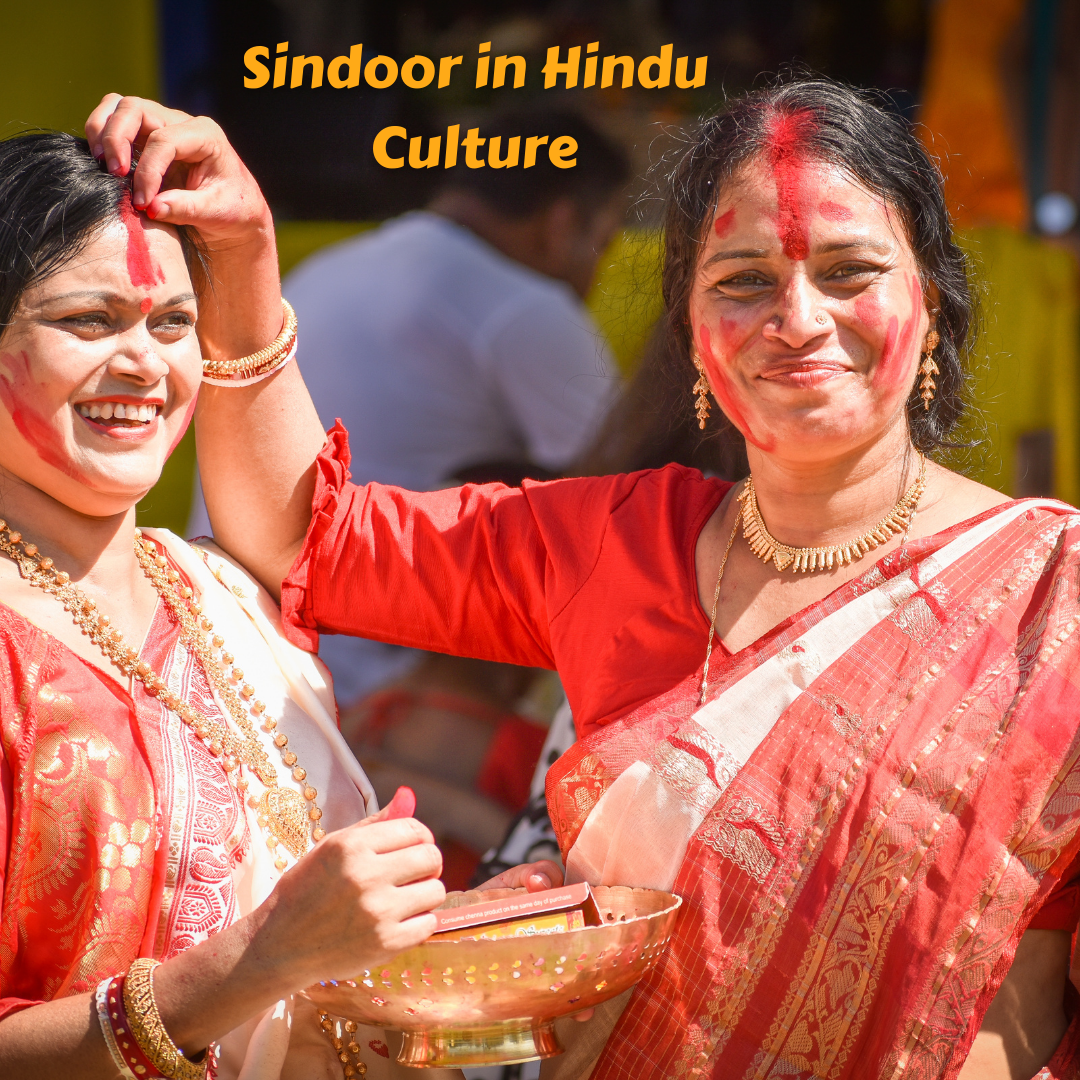
Sindoor is an important part of the Sindoor Daan ritual in Hindu marriages, which signifies the end of the marriage ceremony. As a sign of their commitment and unity, the husband customarily applies sindoor to his wife's hair parting. Hindu marriage customs are firmly rooted in this practice, which highlights the longevity and auspiciousness of the matrimonial bond.With its diverse range of traditions, Hinduism views sindoor as an essential part of a married woman's life. According to legend, a woman should wear sindoor as long as her husband is alive because it is thought to safeguard and protect him. Applying sindoor is seen as a prayer for a long, healthy life and protection from evil spirits for the spouse.
Also Read : Gand Mool Nakshatra: Rituals, and Spiritual
The composition of sindoor, typically made from turmeric and lime, contributes to its supposed health benefits. Turmeric is known for its stress-relieving properties and helps keep the brain alert. Astrological Significance:
Indian astrology states that the Aries region is represented by the forehead, which is the site of sindoor application. The application of sindoor is regarded as auspicious, and its red hue corresponds with the notion that it brings good luck. Furthermore, sindoor is thought to open the crown and temple chakras, drawing good energy for the couple's prosperity and well-being.Sindoor is used not only for weddings and everyday life but also for a number of Hindu holidays. Husbands traditionally place sindoor, a symbol of love and marital bliss, on their wives' foreheads during holidays like Navratri and Teej. In religious ceremonies, temples also offer sindoor to various goddesses.
During Durga Puja, the Sindoor Khela tradition holds great significance in Bengali culture. Married women play with sindoor on the last day of the festival by putting it on each other's and the deity's feet. This happy deed represents the celebration of womanhood, sisterhood, and the core happiness of marriage.
Also Read : Ganapathi Havan and its Profound Benefits
Hinduism still cherishes the sindoor custom because of its long history, religious significance, and cultural importance. Beyond just being aesthetically pleasing, sindoor represents the holy union of a husband and wife and the enduring virtues of devotion, love, and good fortune. Seen as a cultural embellishment, sindoor unites the spiritual and scientific aspects that contribute to the rich tapestry of Hindu traditions and beliefs, transcending its material form.