


The Hindu Mundan Ceremony: Significance, Rituals, and Tradition
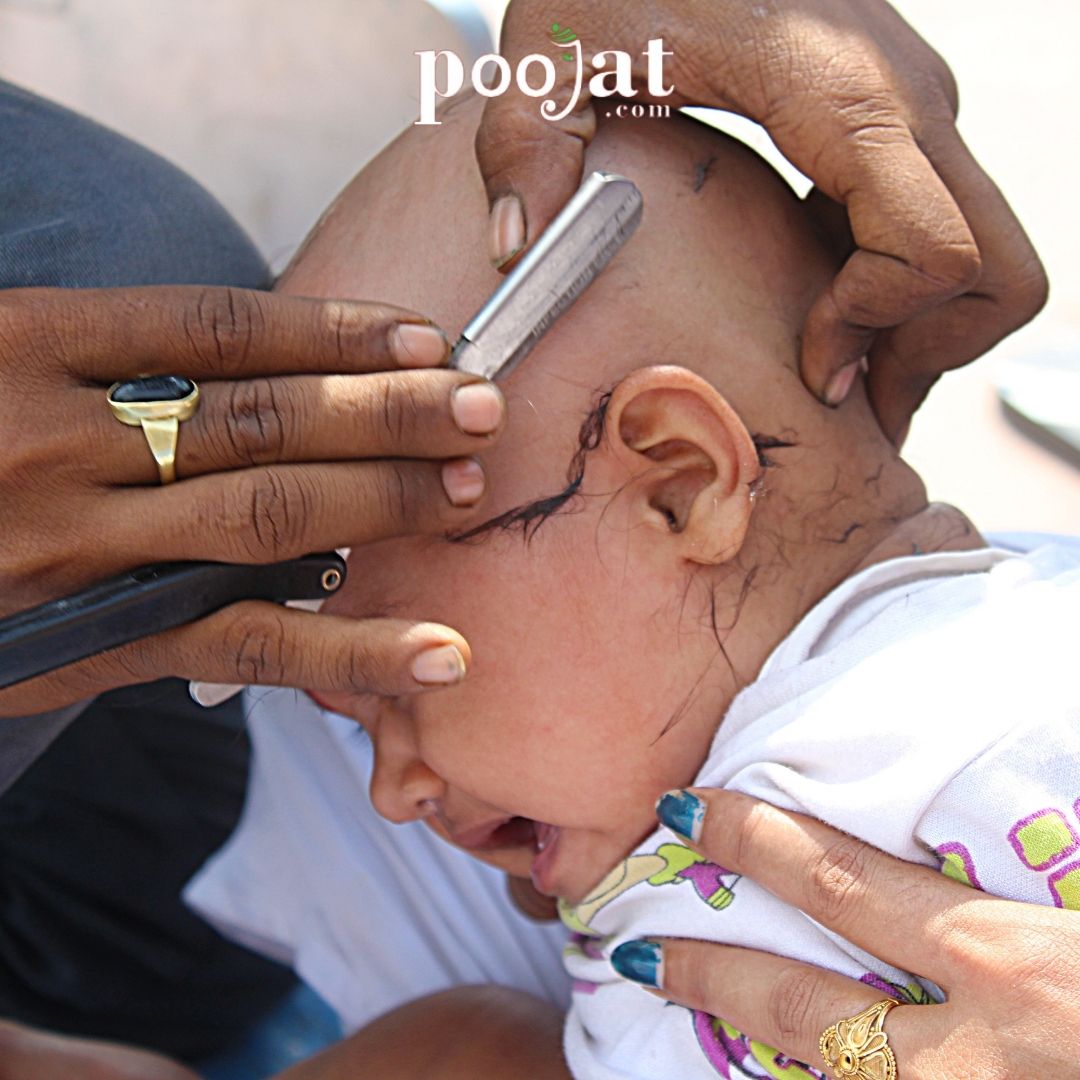
Hindu traditions are a rich variety enriched with a variety of ceremonies and rituals, each of which has great personal meaning. Among these is the Mundan Ceremony, also called Chudakarana, which is a sacred ceremony that marks a newborn's first haircut. This ritual, which has its roots in ancient texts and is directed by the Grihya Sutras, is a crucial stage in a Hindu child's spiritual development.
The Samskaras are pivotal in the broad sweep of Hindu life, serving as transforming landmarks from the time of conception to the afterlife. The eighth of the sixteen Samskara ceremonies, Mundan comes after the first grain ceremony and before marriage, initiation, and death, among other important events.These rituals are meticulously outlined in the Grihya Sutras, Vedic manuals that have been penned by different sages over time.
Formation of Samskara:
The Grihya Sutras, which correspond to each branch of the Vedas, have an influence on the regional variations of Hindu services, which reflect the diverse cultural landscape of India. Different traditions have arisen from the four Vedas (Rigveda, Yajurveda, Samaveda, and Atharvaveda), and the Grihya Sutras that are linked to them offer the structure for different rituals.
Significance of Mundan
The first hair-cutting ritual, or mundan, is closely related to mental clarity, spiritual sustenance, and the ultimate goal of achieving moksha. In Hindu households, this rite, which is usually carried out following the first grain ceremony, has great significance. It represents a process of purification, both bodily and spiritual, since it is thought that impurities are carried in hair from birth. In addition to being a symbolic act of sacrifice, shaving a child's head is also a prayer for the child's long life and prosperity.
The Mundan ceremony is performed with close attention to custom. A Hindu priest gets together in a temple or at home with family and friends. A holy fire is called for as chants from the Vedas resound. With the help of the father or maternal uncle, the priest trims a few small hairs off the child's head before shaving the entire head. Shaving is more than just a physical change for the child; it's also a symbolic act of offering their beauty to God and asking for blessings in return.
Post-Mundan Rituals: After the ritual cutting, the shaven head is cleaned and a paste made of sandalwood and turmeric is applied, which is thought to cool the head and help heal any small cuts. There is significance to shaved hair.
The Essence of Chudakarana in Hindu Culture:
Chudakarana, derived from the Sanskrit word for Mundan, is more than a mere haircut; it is a ritualistic practice emphasizing the arrangement of the hair tuft or tonsuring. The Grihya Sutra suggests that Mundan should be performed between the child's first and third year, underscoring its importance in the early stages of life.
Mythological and Scientific Perspectives
The ritual finds its roots in both mythological beliefs and scientific reasoning. According to Hindu scriptures, the Mundan sanskar purifies the child and removes impurities acquired during pregnancy. The act is considered capable of freeing the newborn from past karmas, making the child a sacred part of society. Scientifically, the removal of hair addresses the hygiene concerns associated with germs and bacteria accumulated during the time spent in the womb.
Also Read:
Mundan is typically performed in the first to third years of a child's life, though some families decide to wait until 1.5 months after the child is born. The focus on auspicious timing is consistent with the larger Vedic tradition, which holds that any major ceremony should seek the appropriate Muhurta
The Mundan Puja:
Services of poojat.com such can be used to organize the sacred Mundan Puja, also called the Tonsure ceremony. In this ritual, the newborn's head is shaved under the supervision of skilled priests who perform worship and havans. According to Hindu beliefs, the purpose of the Mundan Puja is to purify the child from previous yonis.
Hinduism's Mundan Ceremony is a beautiful synthesis of spirituality, symbolism, and tradition. Encouraging a child to enter a world of spiritual development and purity, it is backed by the deep lessons found in the Grihya Sutras. Families gather to celebrate this important Samskara, not only to preserve centuries-old traditions but also to take part in an enduring journey that spans generations and cultivates a profound
Also Read: