










Mundan, or the ritual shaving of the head, holds deep significance in Hindu traditions. It is commonly performed at different life stages, such as after birth, during certain vows, and as part of mourning rituals. One important question that arises is whether Mundan is necessary after Asthi Visarjan . The answer depends on religious scriptures, regional customs, and family traditions.
What is Asthi Visarjan?
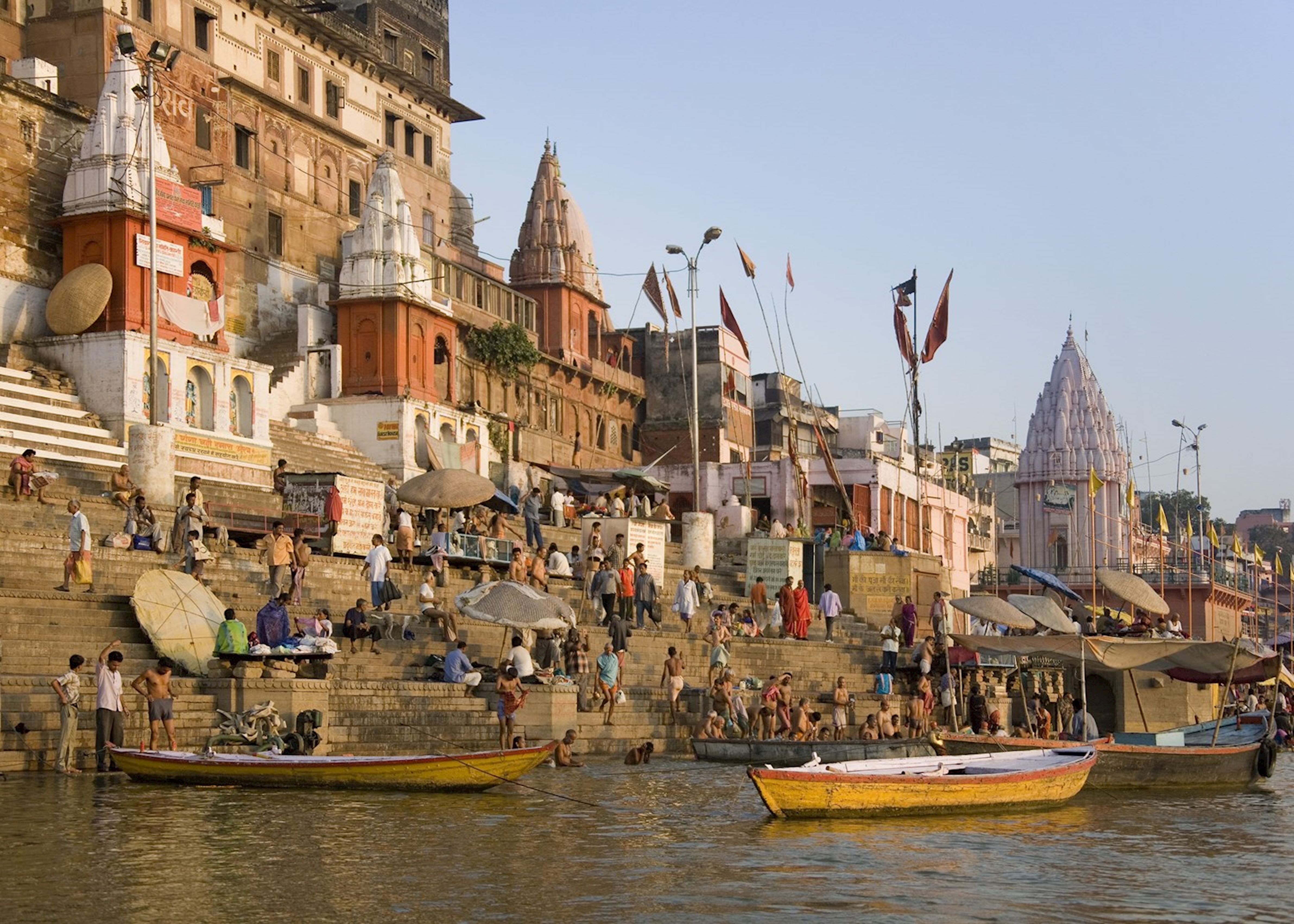
Asthi Visarjan is the process of immersing the ashes (Asthi) of a deceased person in a holy river, such as the Ganga, Yamuna, or Kaveri. This ritual is essential in Hinduism as it signifies the final release of the soul from earthly attachments and helps in its journey toward Moksha . It is usually performed a few days after cremation, once the ashes are collected from the cremation ground.
Is Mundan Necessary After Asthi Visarjan?
The necessity of Mundan after Asthi Visarjan varies based on religious texts, traditions, and beliefs:
-
Scriptural Basis
Hindu scriptures suggest that Mundan is compulsory for the eldest son or the main performer of the last rites (Karta) before completing the mourning rituals. It symbolizes detachment, purity, and respect for the departed soul. The head is shaved to remove impurities and signify a fresh start after the period of grief. However you can choose not to save or a small hair cutting based upon your preferences
-
Regional and Sectarian Variations
- North Indian Traditions: In many parts of North India, Mundan is performed immediately after cremation or before Asthi Visarjan.
- South Indian Practices: In South India, instead of a full Mundan, a symbolic shaving or cutting of a few hair strands may be done.
- Bengali and Eastern Traditions: Some communities do not require a full head shave but may trim a little hair as a symbolic act.
-
Who Must Perform Mundan?
- The eldest son or the main mourner performing the last rites must shave his head before Asthi Visarjan.
- Other male family members may also do Mundan, but it is not always mandatory.
- In some customs, even younger sons and close male relatives undergo a partial shave.
-
Purpose of Mundan
- It represents renunciation of worldly attachments and mourning for the deceased.
- It signifies purification and helps in completing the transition from the mourning phase.
- It is believed to remove bad karma and facilitate the smooth passage of the soul.
Modern Perspective
With changing times, many people modify or skip the Mundan ritual based on personal beliefs or practical considerations. Some opt for a symbolic trimming of hair instead of a full shave. Priests often provide guidance based on specific family traditions and scriptural interpretations.
Mundan is traditionally considered necessary after cremation and after Asthi Visarjan, particularly for the eldest son. If Son is not elder, than he can choose not to shave his head. However, customs vary across regions and sects, and some families choose alternative practices. Consulting a family priest can help determine the appropriate ritual based on one’s tradition and beliefs.
This article is written by Acharya Bhaskar Joshi. For more information about Pandit ,click the link below


