


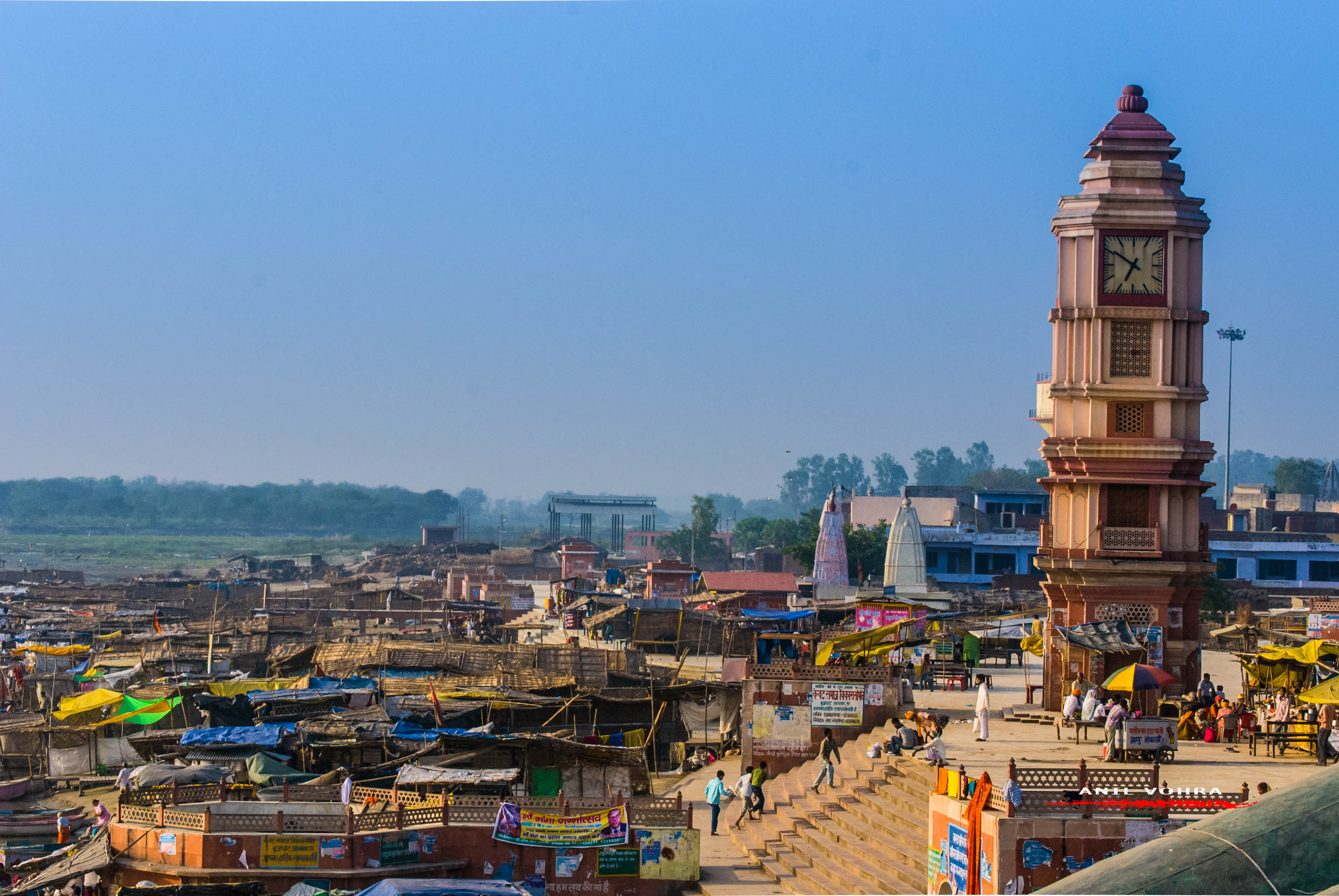
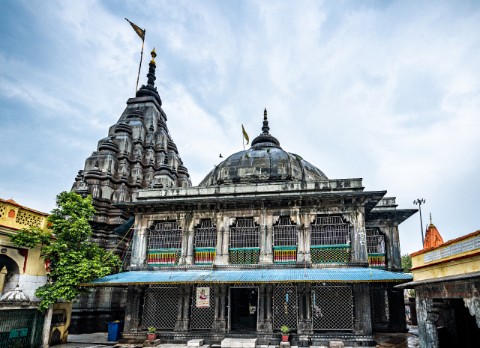


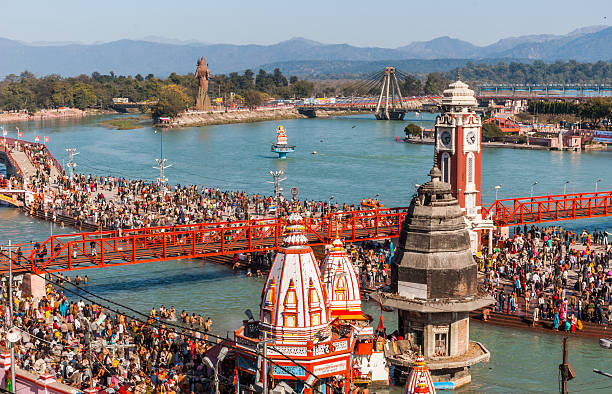




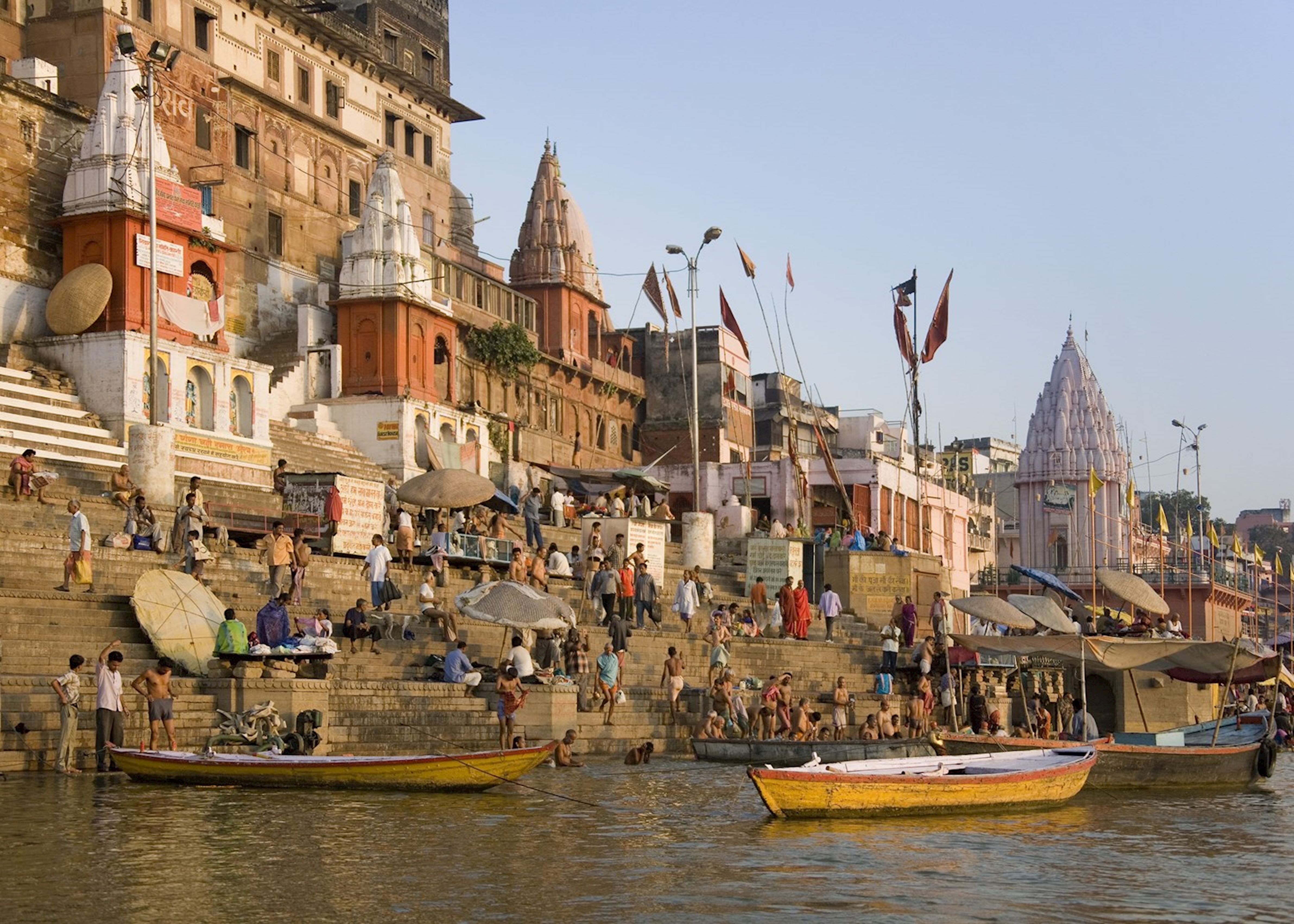

Pind Daan is one of the most significant Hindu rituals performed for deceased ancestors. It involves offering rice balls (pind) and water to help the departed soul attain peace and liberation (moksha). This ritual is especially conducted in places like Gaya, Prayagraj, Varanasi, and Haridwar, which are considered highly sacred for performing ancestral rites. A common question that arises is whether Mundan (head shaving) is necessary after Pind Daan. The answer varies based on religious scriptures, traditions, and regional practices.
What is Pind Daan?
Pind Daan is performed as an act of gratitude and duty towards ancestors. It is believed that offering pind helps the soul transition smoothly to the afterlife, ensuring that it does not remain stuck in the earthly realm. This ritual is commonly performed during:
- Tithi (death anniversary) of the departed
- Pitru Paksha, a 15-day period dedicated to ancestor worship
- Pind daan at holy places like Varanasi, Prayagraj, Gaya or Haridwar
Is Mundan Necessary After Pind Daan?
The requirement of Mundan (shaving the head) after Pind Daan depends on various factors:
1. Scriptural References
Hindu scriptures do not explicitly mandate Mundan after Pind Daan. However, they emphasize the idea of purification and detachment during rituals for ancestors. Since Mundan is considered a sign of renouncing worldly attachments and showing respect for the departed, it is often performed before or after Pind Daan in many traditions.
2. Regional and Sectarian Variations
- In North India, Mundan is commonly performed by the eldest son before performing important post-death rituals like Pind Daan, Shraddha, or Tarpan.
- In South India, a complete head shave is not always necessary, and a symbolic trimming of hair may suffice.
- In Bengal and some parts of Eastern India, Mundan is not strictly required after Pind Daan, but some people observe it as a mark of purification.
3. Who Needs to Perform Mundan?
- The eldest son or Karta (the person performing the ritual) is not necessarily required to perform Mundan after the Pooja.
- Other male family members may also do it, but it is not compulsory for everyone.
- In certain traditions, even those performing rituals for extended ancestors (like great-grandparents) also not necessarily required to do Mundan after Pind Daan.
4. Reasons for Performing Mundan
- Symbol of Renunciation: It signifies detachment from material life and ego, aligning with the purpose of Pind Daan.
- Purification: Shaving the head is considered an act of physical and spiritual purification before engaging in sacred rituals.
- Tradition and Custom: Many families have been following Mundan as part of their Pind Daan rituals for generations.
Modern Perspective
In today’s world, many people modify or skip Mundan due to personal beliefs, professional commitments, or practical reasons. Some opt for a symbolic trimming of hair instead of a full shave. Priests often guide families based on their specific traditions and circumstances.
Mundan is not strictly necessary after Pind Daan, but it is commonly practiced in many traditions. The decision depends on family customs, regional beliefs, and personal preferences. Consulting a priest can help determine whether Mundan should be performed in a particular case.
You can also book Pind daan with Poojat. To book pandit at your home or at any Tirth Kshetra,please click on the link. https://www.poojat.com/Pujaris-for-Pind-daan
This article is written by Pandit Ranjeet Bhaiya For more information about Pandit ,click the link below


