


Karwa Chauth 2023
Significance, Rituals, and Celebrations Across India
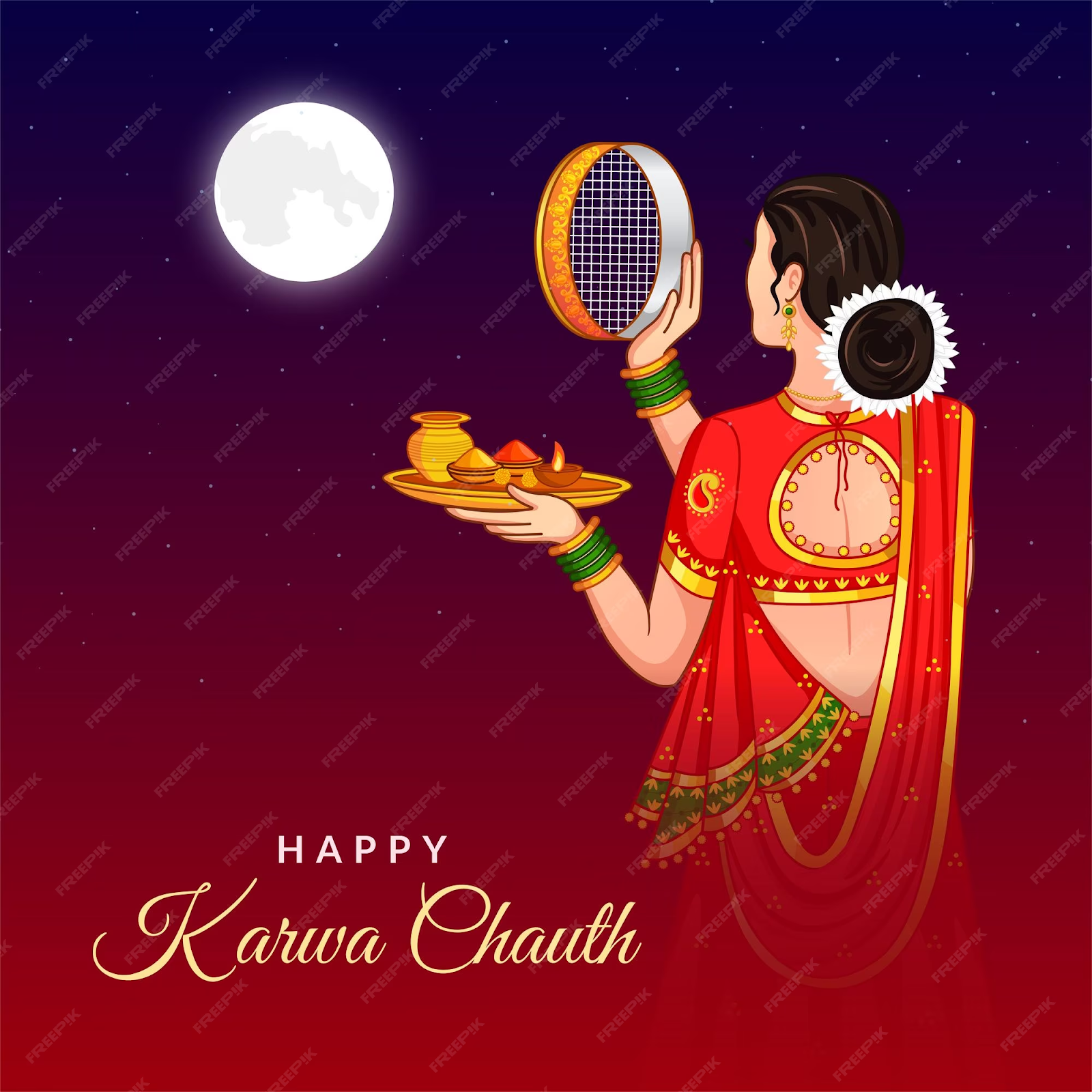
Introduction to Karwa Chauth
In India, married Hindu women mostly celebrate Karwa Chauth, a prominent and cherished event. It is a day set aside for prayer, fasting, and showing love and devotion to one's partner. The two Sanskrit words "Karwa" (which means clay pot) and "Chauth" (which means the fourth day) are combined to form the festival's name. The Hindu holiday of Karwa Chauth is commemorated on the fourth day following the full moon in the Kartik month, which usually falls in October or November. Karwa Chauth is scheduled for November 1st in 2023.
The Importance of Karwa Chauth
In Hindu culture, Karwa Chauth is of utmost significance since it symbolizes the marital contract and wives' dedication to the health and longevity of their husbands. It is a day when married ladies abstain from food and liquids from dawn to moonrise. They show their enduring love and dedication for their life partners by observing this strict fast.
Married women dress up like brides, adorn themselves with lovely clothing, and apply exquisite mehndi designs to their hands as part of one of the main ceremonies of Karwa Chauth. This represents the core of their marriage.
Karwa Chauth customs and observances
A number of ceremonies and pujas that have deep spiritual and cultural significance are performed to commemorate Karwa Chauth. These customs aid in requesting blessings for husbands' long lives and financial security. Let's examine the Karwa Chauth puja procedure step by step:
- Morning Preparations: Married women wake up early, bathe, and dress in clean clothing. They prepare for the day ahead with dedication and devotion.
- Karwa Dharna: On the wall of the household temple, a representation of the venerated deity Karwa Mata is made using ground rice. In the evening, Lord Ganesha is seated on Parvati's lap and a portrait of Goddess Parvati and Lord Shiva is set up on a wooden pedestal.
- Karwa Filling: Women read or listen to the Karva Chauth Vrat Katha as a new Karwa (clay pot) is filled with water. During this period, offerings are made to the goddess Parvati.
- Worship: After the Katha has been read, women pray to Parvati, Ganesha, and Shiva. After the moonrise, an arghya (offering) is made to the gods.
- Breaking the Fast: Women break their fast by giving water to the moon after it appears in the night sky before giving it to their husbands. The end of the fast is signaled by husbands giving their wives water and a reward.
- Blessings: After the puja, family elders such as mothers-in-law and house elders are consulted for blessings.
- Gift-Exchange: As a sign of their affection and wealth, husbands and in-laws frequently give married women gifts.
Karwa Chauth's Historical and Mythological Importance
Karwa Chauth has profound historical and mythological significance in addition to being a cultural tradition. Several myths surround the beginning of this festival:
1. The tradition of Queen Veervati: According to one tradition, on Karwa Chauth, Queen Veervati kept a severe fast. Her brothers used a mirror to reflect the moon's image through a Pipal tree, tricking her into breaking the fast. She learned of her husband's passing after breaking her fast. But when she devotedly maintained the Karwa Chauth fast, her husband was miraculously revived thanks to a goddess.
2. Draupadi's story: According to legend, Draupadi, one of the main figures in the Mahabharata, also observed the Karwa Chauth fast in order to help her husbands who were having issues while she was away. Following the procedures prescribed by Goddess Parvati during her Karwa Chauth fast, Draupadi's husband's issues were cured, according to the tale told by Lord Krishna.
Also Read: https://www.poojat.com/blogs_details?id=tulsi-vivah
3. In "The Story of Karwa," a woman by the name of Karwa used cotton yarn to shield her husband from a crocodile. Due to Karwa's devotion, Yama, the Lord of Death, decided to extend her husband's life when he refused to take him.
4. The Satyavan and Savitri Story: Because of Savitri's persistent devotion to her husband Satyavan, Lord Yama was forced to bestow a boon on her, guaranteeing that her husband's life was saved.
Also Read: https://www.poojat.com/blogs_details?id=laxmi-puja-2023
Karwa Chauth in many parts of India
Various parts of India celebrate Karwa Chauth according to their own customs and traditions:
1. Punjab: Karwa Chauth is very important in Punjab. Women dress themselves in stunning sarees and jewelry. Special desserts and treats are made, and the holiday is enthusiastically observed. On this day, Punjabi single ladies also observe a fast in the hopes of meeting their ideal life partner.
2. Uttar Pradesh: Women fast in Uttar Pradesh in hopes that their husbands may live a long life. They decorate the walls of their homes with pictures of Gauri Ma, the goddess who protects the state, which is a distinctive feature of their festival.
3. Rajasthan: Rajasthan celebrates Karwa Chauth in a special style. Rice and wheat are placed inside clay pots made by women (known as "Karwas"). They frequently wear chunri and dress in bridal clothes. The festival is traditionally celebrated on the Kartika month's full moon day.
The Significance of Karwa Chauth Thali
During the festival's rituals and offerings, the Karwa Chauth thali (plate) is essential. It includes a number of elements of symbolic significance:
Sieve (Chalni): During the evening puja, the sieve is utilized to observe the moon. It is related to requesting divine favours and shields the eyes from the moon's rays.
Water in a Pot (Karwa): The earthen pot, sometimes referred to as a "Karwa," represents prosperity and harmony. In addition to being used to break the fast after moonrise, water from this pot is donated to the moon during the puja.
Sweets: To break the fast, sweets are placed in the puja thali for the moon. A typical dessert found in the thali is mathri.
Diya (Lamp): A lamp, also known as a diya, is a necessary part of the thali. It purifies the environment and stands for positive energy.
Incense Sticks: It is thought that burning incense sticks during prayer will purge the area of any negative energy and fill it with enticing aromas.
Vermilion with rice: In Hindu rituals, rice is seen as fortunate and represents abundance. A married woman's hair part is marked with vermilion to denote her marital status and the health of her husband.
At POOJAT, we take immense pride in our team of highly qualified, knowledgeable, and experienced Pandits who specialize in performing Pujas tailored to your community, language, and region. Our mission is to make your religious ceremonies as seamless and meaningful as possible. When you work with POOJAT, you can rely on us to take care of every detail of your puja, from selecting the ideal Pandit to guaranteeing the greatest Muhurat (auspicious date) and organizing all the required SAMAGRI (ritual supplies).
Our user-friendly website and mobile app make it simple to schedule your Karwa Chauth Pooja, and we are pleased to offer our specialized services for this occasion. All users will have easy access to our software because it is easily downloaded from the PlayStore
Karwa Chauth honors marriage as a holy union and a symbol of love. On this day, married ladies display their everlasting devotion to their spouses and ask the gods for protection and favors. Karwa Chauth continues to maintain a particular place in the hearts of millions of married women throughout India thanks to its rich history, varied regional traditions, and poignant ceremonies.