













Mundan After Death: A Spiritual Journey Beyond Life
Shaving the head, or Mundan, is a significant ritual that is observed in the complex web of Hindu customs and traditions, especially following the death of an elderly family member. Some Hindu communities still firmly believe in the importance of this practice, even though it is gradually disappearing in many others. Examining the motivations behind this post-mortem Mundan reveals a profound affinity with rituals of purification, ego-shedding, symbolism associated with mourning, and a profound expression of reverence for the deceased soul.
Also Read :
In Hindu communities, the post-death Mundan takes two distinct forms. The first kind, which represents perpetual widowhood, is saved for the deceased's wife. Widows are typically expected to never grow hair again because this form causes permanent hair loss. This custom, which was once common among upper castes, is now observed by very few communities. For the duration of the mourning period, male family members can choose the second option, which involves a temporary head shave.After death, mundan is considered a purification ritual, a somber act that mentally and physically prepares male family members, particularly those who are performing the last rites. Hair removal is a sign of purification that gives participants in the traditional last rites a greater sense of holiness.
Shaving one's head is considered a symbolic act of ego-shedding. An aging family member's death could leave a void that could make the remaining male members conceited. Mundan is a poignant reminder that obedience is the right path, one that inspires them to give up any remaining egoistic impulses.Symbol of Mourning: Mundan subtly conveys to others that something unpleasant has happened in the family by expressing his state of grief. Observing shaved heads prompts friends and acquaintances to approach the bereaved family with prudence and compassion.
Also Read:
Mundan is a thank you for all the years of love and connection the deceased had with their family and is seen as a respect offering to the departed soul. Family members hope to give the deceased soul the utmost honor and satisfaction by carrying out this act.
The Role of Mundan in Funeral Rituals:
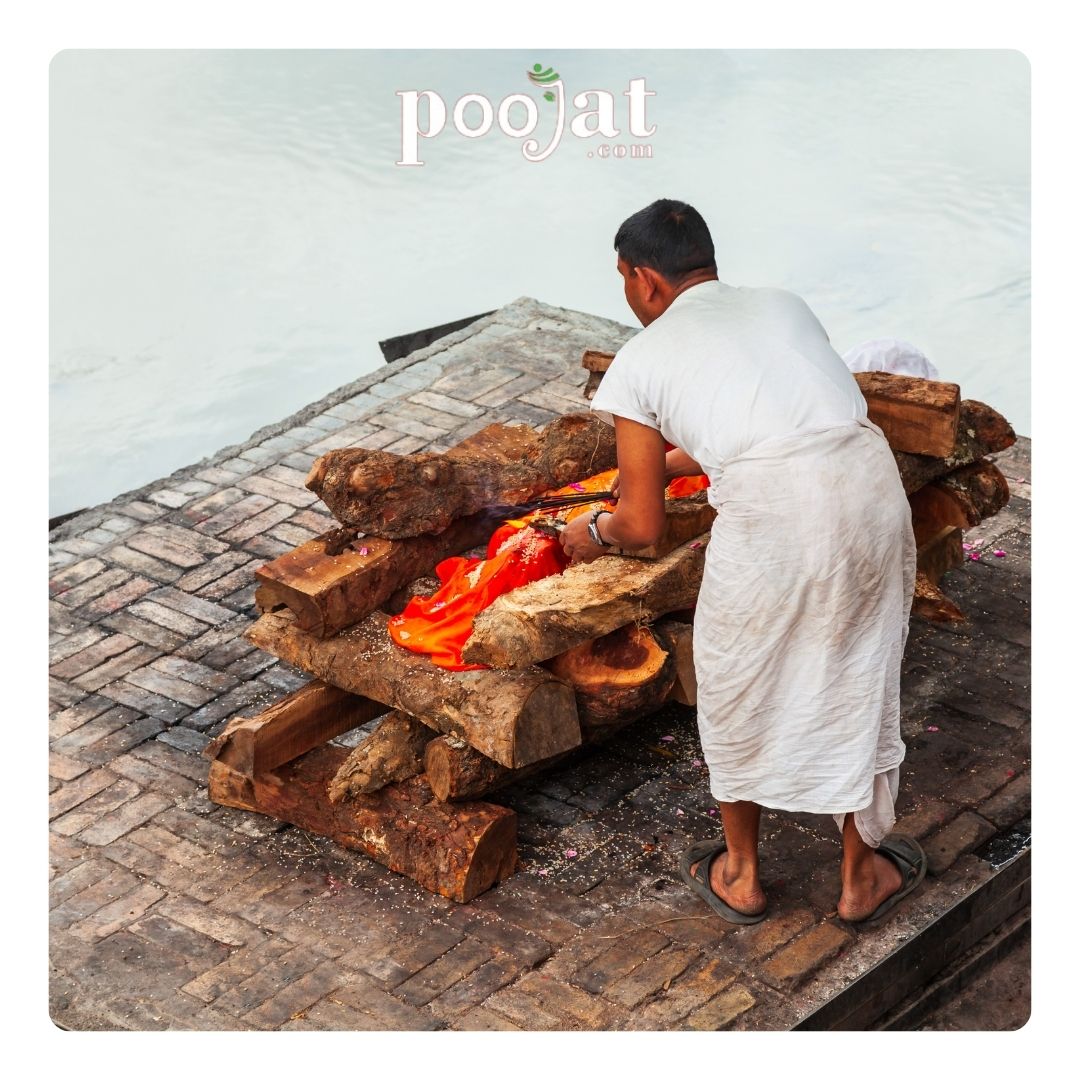
Hinduism places a lot of emphasis on the time that follows death in the context of funeral rites. The Bhagavad Gita states that after death, the soul sets out on its journey to the next plane of existence. There are several customs during the thirteen-day mourning period, such as making the departed person's favorite dish on particular days. Brahmins are fed on the thirteenth day, which represents the soul's peaceful transition out of existence. The funeral ceremony includes a ritual where the corpse receives a final disposition, usually through cremation.
Astrology and Death:
Based on ancient Hindu texts, Vedic Astrology is able to forecast various aspects of death, such as the time of death, the reason behind it, and the planetary influences at that time. The longevity-related eighth house is essential to comprehending death astrology. As maraka (killers) planets, the lords of the second, seventh, and eleventh houses are able to inflict death or agony akin to death. Hindus negotiate the complex concept of life and death by combining these astrological insights.
Gender Disparity in Mundan
It's interesting to note that only men engage in the Mundan practice, raising the question, "Why not women?" According to Hindu Dharma, women are manifestations of Divine Energy, and cutting their hair is seen as anti-Dharmik. Prolonged hair is a sign of modesty, and women are thought to be shielded from negative energy attacks by the Sattva-Raja waves that emanate from their hair tips. Therefore, these spiritual beliefs are at the core of the ban on women cutting their hair or the idea that it is unlucky to do so.
Also Read :
Hindu rituals surrounding mundan after death involve a complex tradition that combines astrological, cultural, and spiritual elements. It displays a deep awareness of the cyclical nature of life and emphasizes the value of humility, respect, and purification in the face of mortality. These customs continue to mold the spiritual environment as Hindu communities change, maintaining a link to traditional wisdom while adjusting to the modern world.


