


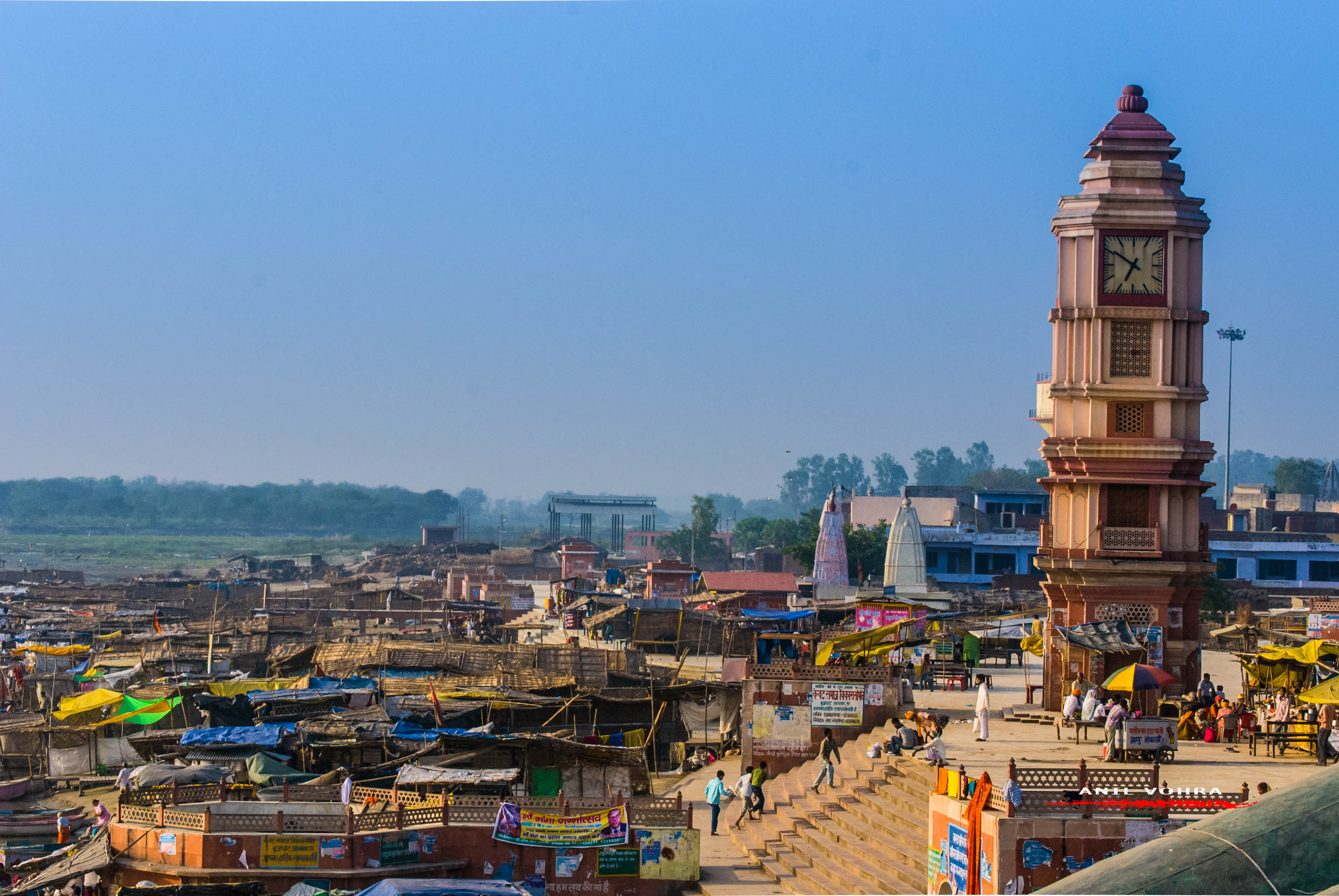


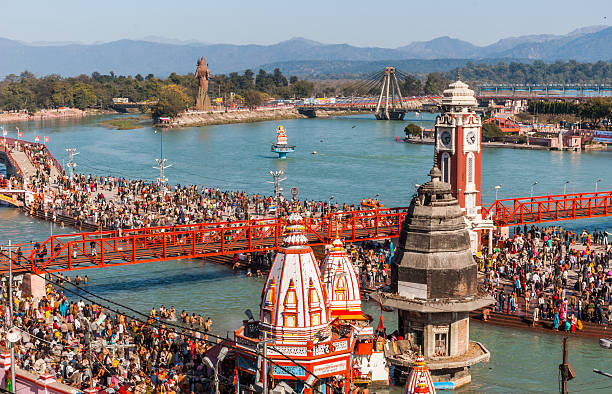





Pind Daan in Gaya is considered one of the holiest rituals in Sanatan Dharma for offering peace and liberation (Moksha) to departed ancestors. According to Hindu scriptures, performing Pind Daan at Gaya helps the souls of deceased family members attain eternal peace and frees them from the cycle of birth and death.
Every year, lakhs of devotees from India and across the world visit the sacred city of Gaya in Bihar to perform this important ancestral ritual. The city holds immense religious significance because it is believed that Lord Vishnu himself blessed Gaya with the power to grant salvation to departed souls.
Whether you are performing Shradh for your parents, grandparents, or ancestors, Gaya is regarded as the most auspicious place for this sacred ceremony.
Info Box
| ⭐ Fact | Details |
|---|---|
| Sacred City | Gaya, Bihar |
| Main Temple | Vishnupad Temple |
| Holy River | Phalgu River |
| Best Time | Pitru Paksha |
What is Pind Daan?
Pind Daan is a sacred Hindu ritual in which rice balls (called Pind), made using cooked rice, barley flour, sesame seeds (Til), honey, and ghee, are offered to departed ancestors along with Vedic mantras.
The ritual symbolizes nourishment and respect for the souls of ancestors. It is believed that these offerings satisfy the departed souls and help them progress peacefully in their spiritual journey.
The ceremony is generally performed by the eldest son or a close male relative, although in many traditions daughters and other family members may also perform the ritual under the guidance of a qualified priest.
Why is Gaya So Special for Pind Daan?
Among all pilgrimage sites in India, Gaya occupies a unique position for ancestral rituals.
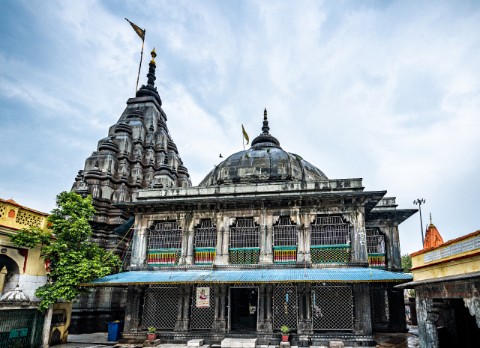
According to the Garuda Purana, Vayu Purana, and Vishnu Purana, Lord Vishnu blessed Gaya after defeating the demon Gayasur. The footprint of Lord Vishnu, known as the Vishnupad, remains enshrined in the famous Vishnupad Temple.
It is believed that:
-
Lord Vishnu personally resides in Gaya.
-
Ancestors receive immediate blessings through rituals performed here.
-
Pind Daan performed in Gaya grants Moksha to departed souls.
-
Even ancestors who have not received proper funeral rites can attain peace through Gaya Shradh.
For this reason, Hindus often perform Pind Daan in Gaya at least once in their lifetime.
Spiritual Significance of Pind Daan
According to Hindu philosophy, every individual carries three important debts:
-
Deva Rin (Debt towards Gods)
-
Rishi Rin (Debt towards Sages)
-
Pitra Rin (Debt towards Ancestors)
Performing Pind Daan helps repay Pitra Rin, expressing gratitude toward one's forefathers.
The ritual is believed to:
-
Help ancestors attain peace.
-
Remove ancestral karmic burdens.
-
Bless the family with prosperity.
-
Protect future generations.
-
Bring harmony and happiness in life.
-
Remove Pitra Dosha from one's horoscope.
Many families perform Pind Daan when they experience repeated obstacles, family disputes, health issues, delayed marriages, or financial instability that are believed to be linked to ancestral dissatisfaction.
Important Places for Pind Daan in Gaya
A complete Gaya Shradh generally includes rituals at several sacred locations.
1. Vishnupad Temple
The Vishnupad Temple is the heart of Gaya pilgrimage. It houses the sacred footprint of Lord Vishnu carved into black stone. Devotees begin their rituals here after offering prayers.
2. Phalgu River
Although the Phalgu River often appears dry, it holds immense spiritual significance. Ritual offerings, Tarpan, and Pind Daan are performed on its banks.
3. Akshay Vat
The eternal banyan tree known as Akshay Vat is believed to witness every Shradh ritual. Offerings made here are considered everlasting.
4. Pretshila Hill
Pretshila is associated with souls awaiting liberation. Performing rituals here is believed to free ancestors from worldly attachments.
5. Ramshila
According to tradition, Lord Rama performed Pind Daan for King Dasharatha at Ramshila, making it another sacred destination during Gaya Shradh.
Pind Daan in Gaya is a Hindu ancestral ritual performed at three sacred sites -Falgu River, Vishnupad Temple, and Akshay Vat -in a single day by a Gayawal Pandit. The Garuda Purana states that Pind Daan in Gaya liberates ancestors going back 21 generations and grants them moksha. The complete ritual takes 3–4 hours, costs ₹5,100 for one karta, and is valid year-round. Pitru Paksha 2026 falls on 27 September – 10 October 2026.
Gaya in Bihar is the Moksha Bhumi -the one place on earth where the Garuda Purana, Vayu Purana, and the Ramayana all agree that a single Pind Daan can liberate ancestors going back twenty-one generations. Bhagwan Ram performed Pind Daan here for King Dasharatha. Mata Sita performed it at Akshay Vat. Every Hindu family that wishes to fulfil its pitru rin (ancestral debt) eventually reaches this city.
This 2026 guide gives you exactly what you need to perform Pind Daan in Gaya without confusion: the current cost, the complete Vedic vidhi, where it is done, who can perform it, the Pitru Paksha 2026 dates, and how to book a verified Gayawal Pandit who will not surprise you with hidden dakshina mid-ritual.
Pind Daan in Gaya Cost (2026)
All-inclusive pricing through Poojat. No hidden charges, no mid-ritual dakshina demands. Samagri, Sankalp, panda fees at all three sites and pandit dakshina are settled upfront, in one payment.
| Ritual | Duration | Price (₹) |
|---|---|---|
| 1 day Pind daan at 3 places BookNow | 2–3 hrs | ₹5,100 |
| 3 days Pind daan at 9 places BookNow | 3 days | ₹15,000 |
| 15 day Pind daan at 29 places BookNow | 15 days | ₹60,000 |
| Narayan Bali Puja for unnatural deaths & Pitra Dosh BookNow | 4-5 hrs | ₹15,000 |
| Tri Pindi Shradh for unnatural death BookNow | 3 hrs | ₹7,100 |
Including all pooja samagri and pandit dakshina
A Mandir samiti Gayawal Pandit handles every Pooja
Where Pind Daan in Gaya is Performed
Pind Daan in Gaya is performed at three sacred sites in fixed sequence in a single morning. All three sites lie within roughly 1 kilometre of each other. Missing any one of them leaves the ritual incomplete.
Final pinda and Suphala -Pandit declares the rite complete.
The 40 cm footprint of Lord Vishnu inside Vishnupad -the Dharmashila -is where the demon Gayasur was pinned to the earth. This single act, the Puranas say, made Gaya the only land where moksha can be granted to ancestors regardless of how they died, how long ago, or whether their names are even remembered.
Complete Pind Daan Vidhi (Step-by-Step)
The classical Vedic procedure followed by Gayawal Pandits at Gaya for centuries. Total time: 3–4 hours.
- Snan and Sankalp-The karta takes a ritual bath, wears a clean white dhoti, and proceeds to the Falgu ghat. The Gayawal Pandit conducts the Sankalp -the karta states his name, gotra, and the names of ancestors (typically three generations) for whom the rite is being performed.
- Tarpan at Falgu River-Water offerings are made for all departed ancestors using sesame seeds, barley and gangajal, with full mantra recitation. This is the purification phase that prepares the pindas to be accepted.
- Pind preparation and offering at Vishnupad-Rice-flour pindas (mixed with honey, ghee and milk) are prepared and offered at the sacred footprint of Lord Vishnu inside the temple. Each pinda is offered with a specific ancestor's name.
- Final pinda and Suphala at Akshay Vat-Under the immortal banyan tree, the final pinda is offered. The Gayawal Pandit formally declares the ritual complete -this declaration is called Suphala, without which the ritual is considered unfulfilled.
- Visarjan in the Phalgu-The pindas are finally immersed in the Phalgu River, releasing the offerings to the ancestors for their onward journey toward moksha.
Best Time to Perform Pind Daan in Gaya
Although Pind Daan can be performed throughout the year, certain occasions are considered especially auspicious.
Pitru Paksha
The most significant period is Pitru Paksha, the 16-day fortnight dedicated to ancestors. During this time, thousands of pilgrims visit Gaya from around the world.
Death Anniversary (Tithi)
Many families also perform annual Shradh on the death anniversary of their ancestors.
Amavasya
The New Moon day is considered highly suitable for offering Tarpan and Pind Daan.
Solar and Lunar Eclipses
Some traditions regard eclipses as spiritually powerful times for ancestral offerings.
Benefits of Performing Pind Daan in Gaya
Hindu scriptures describe numerous spiritual benefits associated with this sacred ritual.
Some of the believed benefits include:
-
Peace for departed ancestors.
-
Liberation (Moksha) for souls.
-
Removal of Pitra Dosha.
-
Family harmony.
-
Financial stability.
-
Better health.
-
Success in career and education.
-
Blessings for children and future generations.
-
Reduction of negative karmic influences.
-
Spiritual satisfaction for the performer.
These benefits are based on traditional Hindu beliefs and scriptural teachings that have been followed for centuries.
Who Can Perform Pind Daan?
Traditionally, Pind Daan is performed by:
-
Son
-
Grandson
-
Brother
-
Husband
-
Close male relative
However, many qualified priests today also assist daughters, wives, and other family members in performing the rituals according to accepted traditions when circumstances require.
Consulting an experienced Vedic priest helps ensure the ceremony follows the appropriate customs for your family.
Details required for Pind daan
Most pilgrims need:
-
Names of departed ancestors.
-
Gotra (if known).
-
Fresh clothes.
-
Fruits and flowers.
-
Sesame seeds.
-
Rice.
-
Dakshina.
-
Identity proof for travel arrangements.
In many cases, priests or organized service providers arrange all the necessary ritual materials.
Why Book an Experienced Priest?
Since Pind Daan involves several Vedic rituals, mantras, and sacred locations, guidance from an experienced Gaya Pandit is highly recommended.
A knowledgeable priest ensures:
-
Correct Vedic procedure.
-
Proper pronunciation of mantras.
-
Completion of rituals at all sacred sites.
-
Personalized guidance based on family tradition.
-
Hassle-free pilgrimage experience.
Many devotees now prefer pre-booking verified priests to avoid inconvenience during peak pilgrimage seasons.
Tips for Pilgrims Visiting Gaya
Before visiting Gaya for Shradh, keep these suggestions in mind:
-
Book accommodation in advance during Pitru Paksha.
-
Wear simple traditional clothing.
-
Carry drinking water and essentials.
-
Reach the ritual site early in the morning.
-
Follow the guidance of your priest throughout the ceremony.
-
Maintain devotion and sincerity during the ritual.
Proper planning allows devotees to focus entirely on the spiritual significance of the ceremony.
Pind Daan in Gaya is much more than a religious ritual—it is an expression of gratitude, remembrance, and duty toward one's ancestors. Rooted in centuries-old Vedic traditions, this sacred ceremony is believed to bring peace to departed souls while blessing future generations with prosperity, harmony, and spiritual well-being.
For countless Hindu families, visiting Gaya is a once-in-a-lifetime spiritual journey that strengthens the bond between the living and their ancestors. Whether performed during Pitru Paksha or on a family ancestor's death anniversary, Pind Daan at Gaya remains one of the most revered acts of devotion in Hindu tradition.
By performing this sacred ritual with faith and proper guidance, devotees fulfill their ancestral responsibilities and seek divine blessings for the entire family.
Frequently Asked Questions
1. What is Pind Daan in Gaya?
Pind Daan in Gaya is one of the most sacred Hindu rituals performed to offer prayers and Pind (rice balls) to departed ancestors. According to Hindu scriptures, Gaya Pind Daan helps ancestors attain peace (Shanti) and liberation (Moksha), making Gaya the most revered destination for ancestral rituals.
2. Why is Gaya famous for Pind Daan and Gaya Shradh?
Gaya Shradh is renowned because Lord Vishnu is believed to have blessed this sacred land with the power to grant Moksha to departed souls. The presence of the Vishnupad Temple, Phalgu River, Akshay Vat, and other holy sites makes Gaya Pind Daan the most spiritually significant Shradh ritual in Hinduism.
3. What is the best time to perform Pind Daan in Gaya?
Pind Daan in Gaya can be performed throughout the year. However, Pitru Paksha Gaya, the annual death anniversary (Tithi), and Amavasya are considered the most auspicious occasions for performing Gaya Shradh.
4. Who can perform Gaya Pind Daan?
Traditionally, the eldest son performs Gaya Pind Daan, but daughters, wives, grandsons, brothers, or other close relatives may also perform the ritual according to family traditions and the guidance of a qualified Gaya Pandit.
5. How much does Pind Daan cost in Gaya?
The Pind Daan cost in Gaya depends on several factors, including the type of ritual, number of sacred locations visited, Pandit Dakshina, Pooja Samagri, and additional services such as transportation or accommodation. Booking through a trusted platform ensures transparent pricing with no hidden charges.
6. What is included in the Gaya Pind Daan package?
A typical Gaya Pind Daan package includes a verified Pandit, complete Pooja Samagri, guidance throughout the rituals, offerings at major sacred sites, and assistance during the ceremony. Some packages also include transportation and accommodation support.
7. How long does the Pind Daan ritual in Gaya take?
The complete one day Pind Daan in Gaya ceremony generally takes between 2-3 hours, depending on the rituals selected and the number of holy sites visited as part of the Gaya Shradh. 15 days Pind daan takes 2 hours each day for 15 days and 15 days pind daan takes 2 hours each day for 15 days.
8. Can I book Pind Daan in Gaya online?
Yes. You can complete your Pind Daan in Gaya booking online through trusted service providers like Poojat. Online booking allows you to choose verified Pandits, select suitable dates, and receive complete assistance before and during the ritual.
9. What are the benefits of performing Gaya Shradh?
According to Hindu beliefs, Gaya Shradh helps ancestors attain peace and Moksha, removes Pitra Dosha, fulfills Pitra Rin, and brings blessings, prosperity, harmony, and spiritual well-being to the entire family.
10. Which are the main places for Gaya Pind Daan?
The most important places for Gaya Pind Daan include the Vishnupad Temple, Phalgu River, Akshay Vat, Pretshila, and Ramshila. Performing rituals at these sacred sites is believed to maximize the spiritual benefits of Pind Daan in Gaya.
11. Can NRIs perform Pind Daan in Gaya?
Yes. NRIs and devotees living abroad can easily arrange online Pind Daan in Gaya through Poojat. Verified Gaya Pandits, complete ritual arrangements, and dedicated support ensure a smooth and authentic spiritual experience. Pind daan will be performed on a live web call
12. Why should I choose Poojat for Pind Daan in Gaya?
Poojat offers hundreds of verified Gaya Pandits, transparent Pind Daan cost in Gaya, complete Pooja Samagri, personalized assistance, and secure Pind Daan in Gaya booking. The platform ensures that every ritual is performed according to authentic Vedic traditions, providing a hassle-free and spiritually fulfilling experience.


