









 The practice of Pind Daan in Gaya holds immense significance in Hindu tradition, providing solace to departed souls and alleviating the suffering of the afterlife. It is considered the duty of sons to offer Pind Daan in Gaya for the salvation of their ancestors, freeing their souls from agony and sending them to a better realm. Hindu mythology portrays that souls remain restless until their family members perform Gaya Ji Pind Daan on their behalf in Gaya. Even for those who have sacrificed their lives, the journey to moksha begins with Pind Daan in Gaya, under the auspices of Lord Vishnu. This practice is reinforced in texts like Padma Purana, Garuda Purana, and the Bhagavad Gita.
The consequences of not performing Gaya Shraddha are believed to result in the restless wandering of the departed soul, causing difficulties and misfortunes for the family. This state is known as Pitra Dosh, which brings forth challenges such as regular business losses, recurring illnesses, and obstacles in virtuous pursuits. To remedy this, Gaya Shraddha or Pind Daan in Gaya becomes essential, as it leads to the liberation of the ancestors' souls and subsequently relieves the family from these troubles. Performing the rituals of Gaya Pind Daan ensures that the ancestors find peace and offer blessings that contribute to the family's progress.

Gaya is a place of great mythological importance, attracting notable figures like Raja Yudhishthira, Bhisma Pitamaha, and Marichi for Gaya ji Pind Daan purposes, besides Lord Rama. The timing of Gaya Shraddha is crucial. While it can be conducted throughout the year, performing it during the Krishna Paksha, especially during the auspicious 18-day Pitri Paksha Mela in the Ashwin month, holds special significance. This annual event witnesses a large influx of pilgrims, numbering in the hundreds of thousands, seeking to honor their ancestors through Gaya Shraddha.
Importance of Pind Daan
- Peace for Wandering Souls: Pind Daan offers solace to departed souls that are still wandering on Earth after death.
- Liberation for Materialistic Souls: The ritual provides freedom to souls attached to material desires, allowing them to move on from earthly attachments.
- Freedom from Torment: Pind Daan is believed to free souls from the torments of hell, guiding them towards the path of Moksha or spiritual liberation.
- Blessings from the Departed: Relatives who perform Pind Daan receive blessings from the departed souls, believed to wield a strong positive influence in their lives.
- Enhanced Success and Prosperity: This ritual is thought to bring success, peace, and prosperity to the lives of those who engage in it.
What is the process of performing Pind Daan?
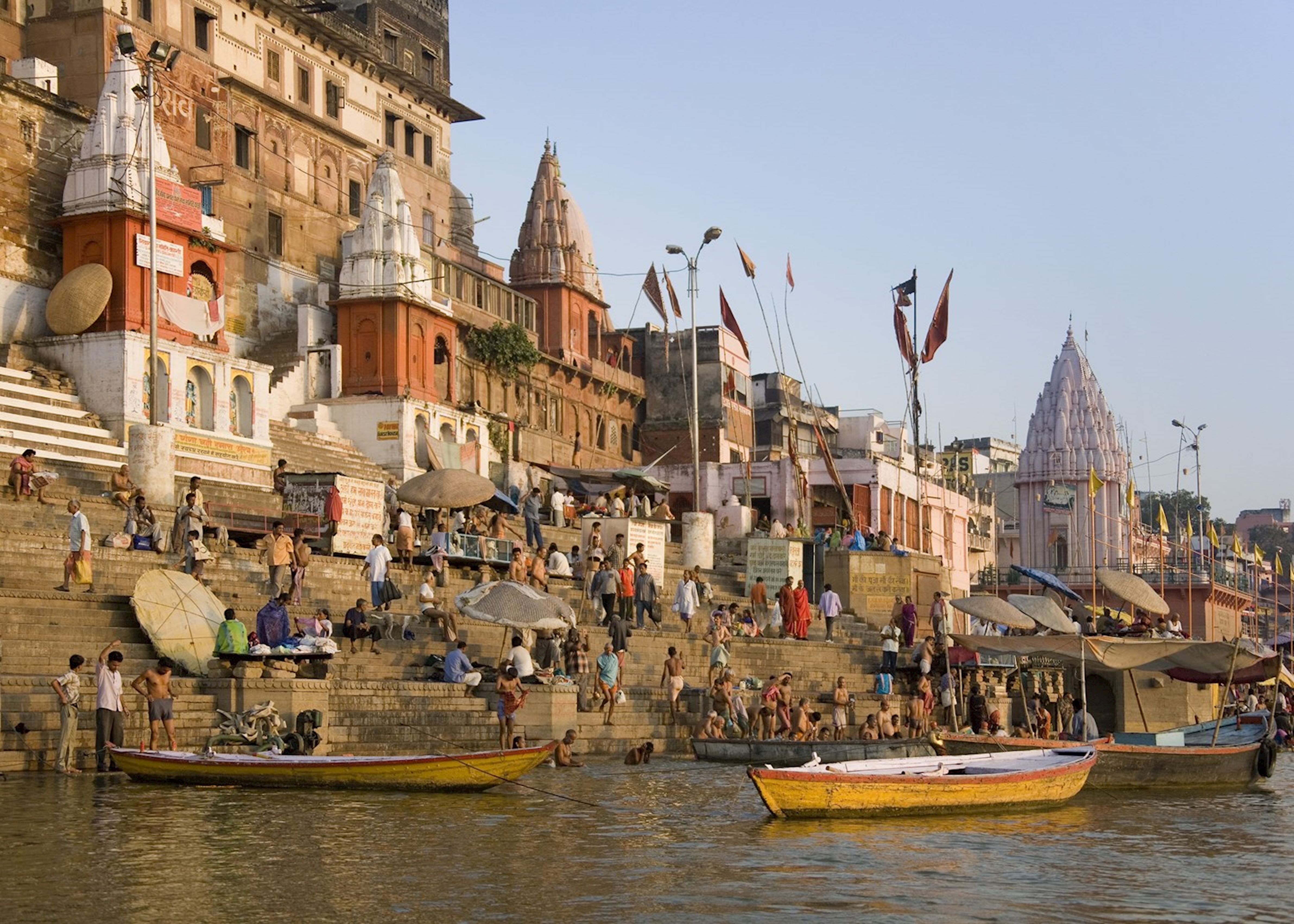
Although girls are occasionally permitted to participate, the eldest male family members usually lead Pind Daan. Participants dress in white traditional clothing such as dhotis and kurtas after taking a holy bath in a river such as the Falgu or Ganga to purify themselves. Offerings of rice, jaggery, sweets, and other things are presented while Brahmins lead the way and recite sacred mantras. In order to obtain the pandits' blessings, the performer feeds and clothes them during the rite. During the Pind Daan, it is said that pleasing the pandits pleases the departed souls. 43 vedis in Gaya must be visited as part of the process, with the number of vedis required depending on the kind of Pind Daan being carried out. The afternoon is said to be the best time for performing Shradh since it ensures its significance and appropriateness.
The rituals of Gaya Pind Daan typically encompass bathing and intention-setting (sankalpa), offering Pindas, and performing Tarpan. The duration of the ritual can vary, from one day to 18 days, based on the devotee's reverence for their ancestors. The practice not only brings spiritual relief to departed souls but also uplifts the present and future generations. Gaya Shraddha stands as a potent bridge between the living and the departed, binding them in a cycle of respect, remembrance, and spiritual harmony. The process involves the making of small rice flour balls mixed with traditional items and offering them in the name of the deceased souls.
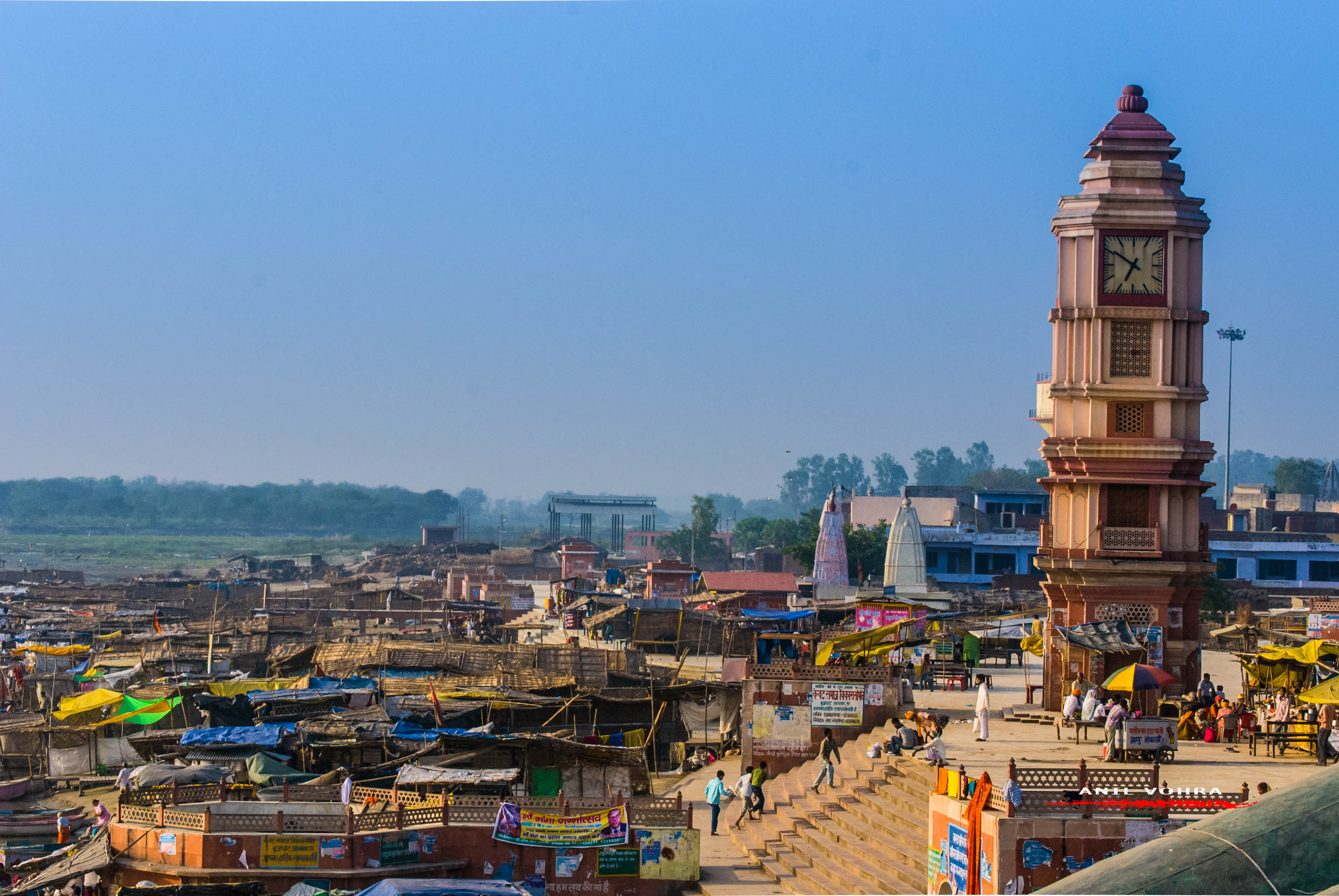
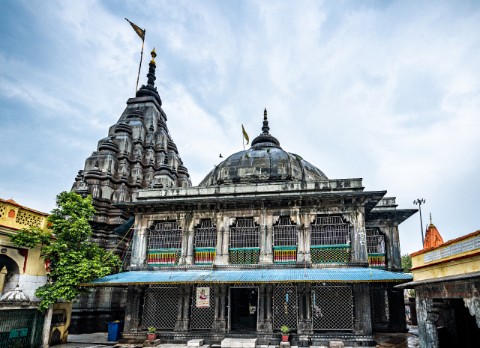
The act of offering takes place at three sacred locations: the Phalgu River, the VishnuPad Temple, and the Akshaya Vat Tree. These rituals can be tailored to various budgets Pind daan in Gaya package, starting as low as INR 25 and ranging up to INR 5000 or more. Engaging Pundits (also known as "pandas'') assists in arranging the ritual items and creating a suitable environment. The act of performing Pind Daan in Gaya serves as a conduit between the living and the deceased, honoring the ancestors and providing them with a path to salvation.


