








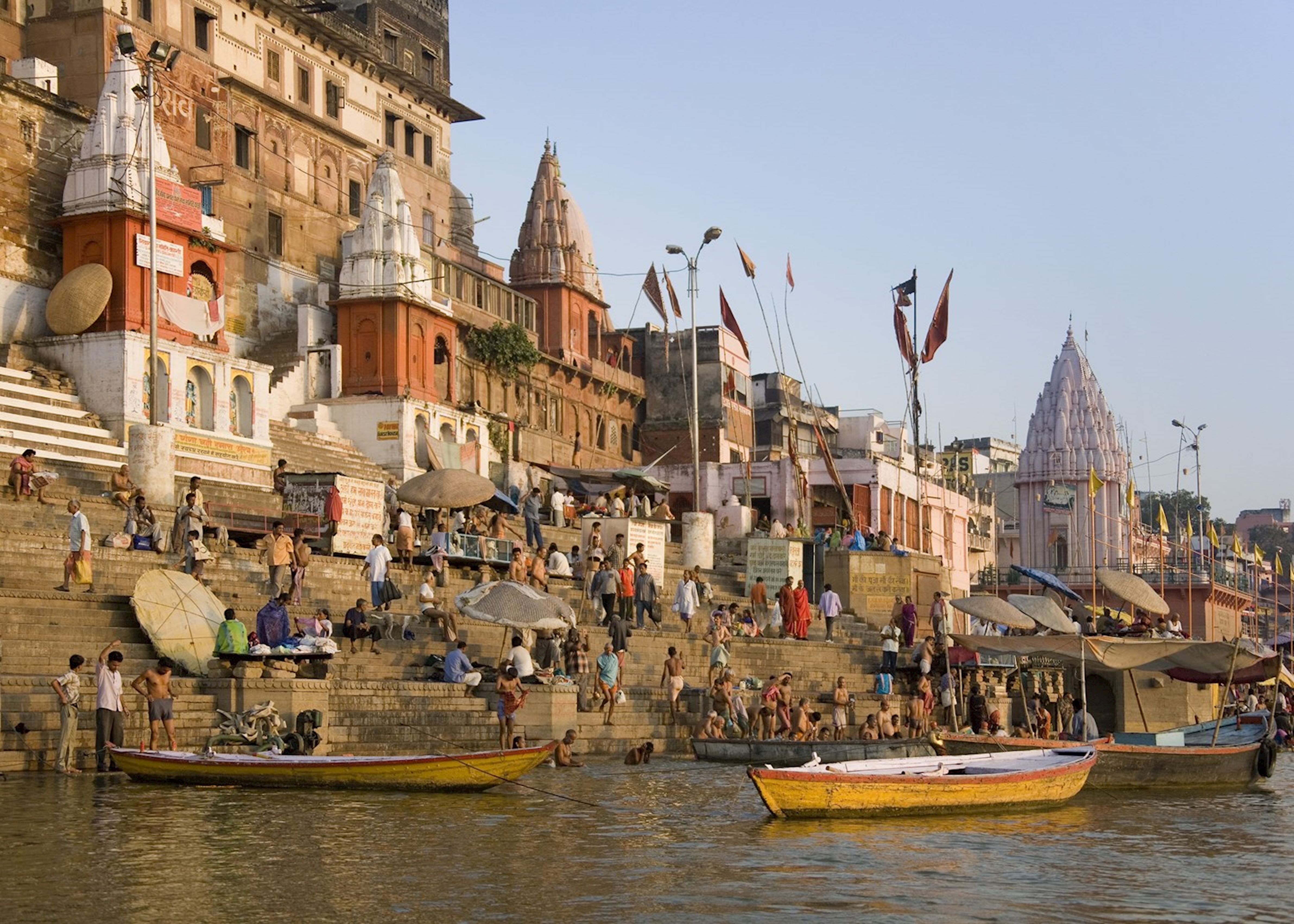

In recent years, the subject of Self Pind Daan has gained significant attention among elderly devotees across India. At Poojat.com, we receive more than 40 enquiries every month from people seeking information about Self Pind Daan in sacred pilgrimage destinations such as Haridwar, Varanasi, and Gaya. Most of these callers are senior citizens between the ages of 60 and 70 who are deeply concerned about their spiritual future and post-death rituals.

A large majority of these devotees express a common fear: they believe that their children may not perform their Pind Daan, Shradh, Tarpan, or other last rites after their death. Based on our experience, nearly 90% of the callers share this concern. Many feel that changing social values, migration of children to distant cities or countries, busy lifestyles, and a gradual decline in traditional religious practices have weakened the commitment to ancestral rituals. As a result, they seek ways to ensure that these important rites are completed during their lifetime.
The remaining callers, accounting for less than 10%, generally do not have children or direct descendants. Their concern is different. Since there may be no one available to perform their post-death rituals, they wish to understand whether they can perform their own Pind Daan while they are still alive. For such individuals, Self Pind Daan appears to be a practical solution to an uncertain future.
However, Self Pind Daan is not merely a ritual that can be performed casually. According to traditional Sanatan Dharma beliefs and scriptures, the act carries profound spiritual significance. In many traditions, performing one’s own Pind Daan symbolizes the symbolic completion of worldly life. It is often associated with renunciation and detachment from material existence.
At Poojat, whenever devotees enquire about Self Pind Daan, we explain the traditional understanding of this practice. According to religious customs, a person who performs Self Pind Daan is expected to give up worldly attachments, family relationships, and material desires. Such an individual is traditionally considered to have renounced ordinary social life and entered a path of spiritual detachment.

This means that after performing Self Pind Daan, one is expected to live the remainder of life as a Sanyasi, free from Sansarik Mohmaya (worldly attachments and illusions). The person should ideally focus on spiritual growth, devotion, meditation, and the pursuit of liberation rather than continuing a normal household life. Because of these implications, Self Pind Daan is not recommended simply out of fear or uncertainty regarding future family actions.
It is important to understand that religious traditions vary, and interpretations may differ among scholars, priests, and spiritual lineages. Therefore, anyone considering Self Pind Daan should first seek proper guidance from knowledgeable priests, spiritual teachers, and scriptural authorities. A decision of this nature should be made only after careful consideration of its religious, social, and spiritual consequences.
Book Pind daan in Gaya, Haridwar,Varanasi,Puri and at many places
Self Pind Daan remains a sensitive and deeply personal subject. While concerns about future rituals are understandable, devotees should approach the matter with complete awareness and proper spiritual guidance. Understanding the true meaning and responsibilities associated with Self Pind Daan is essential before taking such an important step in one’s spiritual journey.


