









Asthi Visarjan is a sacred Hindu ritual where the ashes of a deceased person are immersed in a holy river. Among all the pilgrimage sites in India, Kashi (Varanasi) holds the highest spiritual significance for performing this ritual. It is believed that performing Asthi Visarjan in Kashi ensures the moksha of the departed soul, granting them eternal peace and freeing them from the cycle of rebirth.
Spiritual Importance of Varanasi
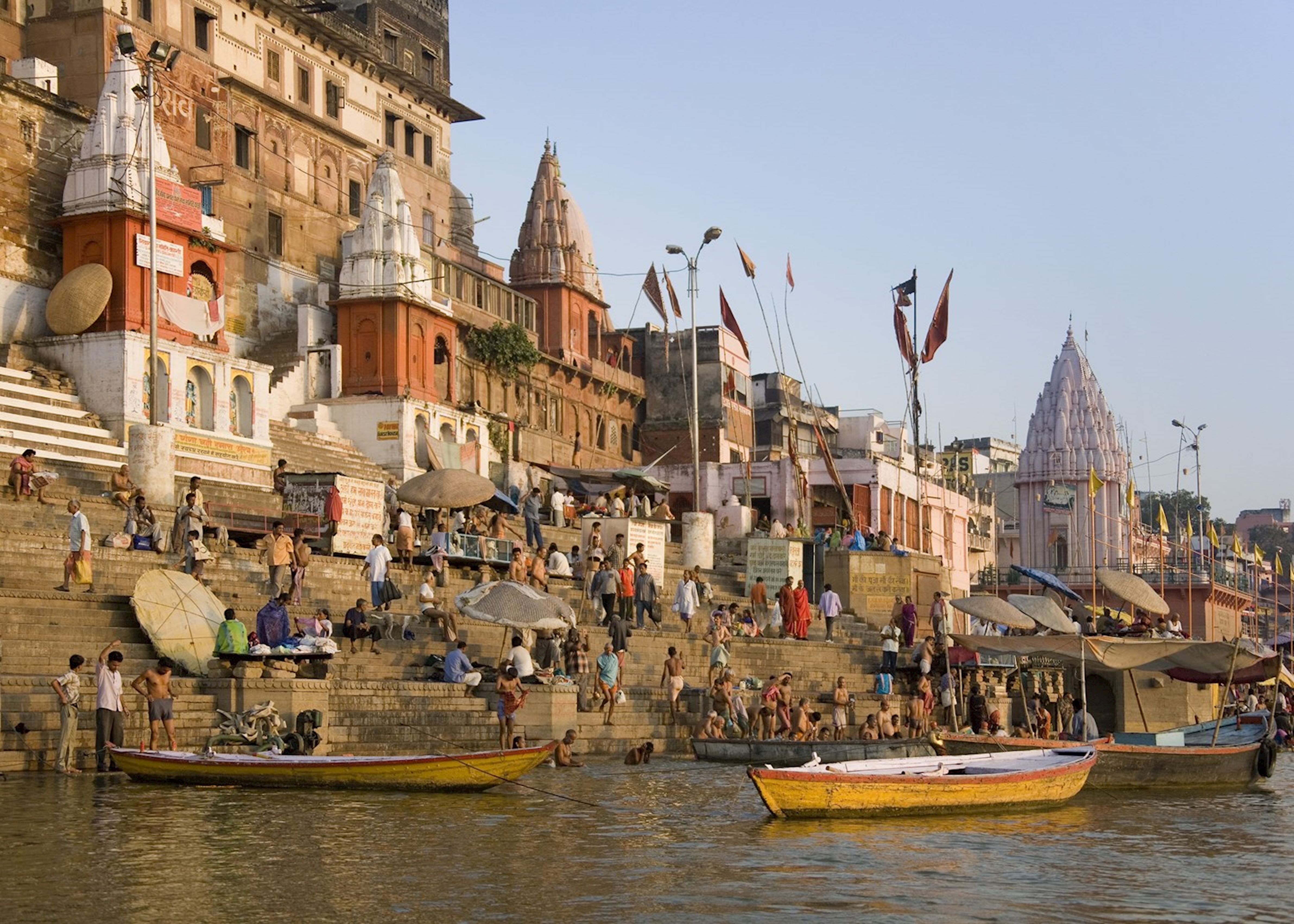
Kashi, also known as Varanasi, is considered the oldest and holiest city in Hinduism. It is believed to be the abode of Lord Shiva, who whispers the sacred mantra of Taraka Mantra into the ears of those who die in Kashi, ensuring their moksha. This makes it the most revered place for conducting final rites, including Asthi Visarjan.
The Ganges River in Kashi is regarded as the most sacred river in Hindu tradition. Hindus believe that immersing the ashes in the Ganga purifies the soul and helps it attain moksha. The water of the river is considered Amrit and has the power to wash away sins and grant liberation.
List of Ghats for Asthi Visarjan in Varanasi
- Manikarnika Ghat – The holiest ghat where Lord Shiva grants moksha.
- Harishchandra Ghat – Ancient cremation ghat linked to King Harishchandra’s truthfulness.
- Dashashwamedh Ghat – Famous for Ganga Aarti and spiritual rituals.
- Scindia Ghat – Peaceful ghat with a half-submerged Shiva temple.
- Panchganga Ghat – Confluence of five sacred rivers, spiritually significant.
- Assi Ghat – Serene ghat known for meditation and devotion.
Scriptural References on Asthi Visarjan in Kashi
Hindu scriptures such as the Garuda Purana, Agni Purana, and Matsya Purana emphasize the importance of performing the final rites in Kashi. According to these texts:
- Anyone whose ashes are immersed in the Ganga at Kashi attains moksha, bypassing the cycle of rebirth.
- Lord Shiva himself grants liberation to souls who receive Asthi Visarjan and Pind Daan in Kashi.
- The departed soul is freed from Pitru Dosha (ancestral karmic debts) and attains peace in the afterlife.
Benefits of Asthi Visarjan in Kashi
- Moksha – The departed soul attains freedom from the cycle of birth and death.
- Purifies the Soul – The sacred Ganges purifies the soul, washing away any past karma.
- Removes Pitru Dosha – It helps in pacifying ancestors and bringing blessings to the family.
- Brings Peace and Prosperity – Performing the ritual in Kashi ensures peace in the family and removes obstacles.
- Divine Blessings of Lord Shiva and Vishnu – It is believed that souls attaining salvation in Kashi receive the divine grace of Lord Shiva.
How is Asthi Visarjan Performed in Kashi?
- Collection of Asthi – After cremation, the remains are collected in an urn.
- Mantra Chanting and Tarpan – The ritual is performed with Vedic mantras to invoke peace for the soul.
- Immersion in Ganga – The ashes are respectfully immersed in the holy Ganges at Manikarnika or other sacred ghats.
Performing Asthi Visarjan in Kashi is one of the most sacred and powerful rituals in Hinduism. It ensures the departed soul’s liberation and brings peace to the family. Due to its immense spiritual significance, devotees from across India and the world visit Kashi to perform this important ritual, fulfilling their final duty towards their loved ones.
This article is written by Pandit Prabhakar Narayan Tiwari. For more information about Pandit ,click the link below:
https://www.poojat.com/2110-Priest-Pandit-Prabhakar-Narayan-Tiwari


