









In Hinduism, the Diya, or oil lamp, holds a profound spiritual and symbolic importance in pooja (worship) and daily rituals. Traditionally made of clay and filled with oil or ghee, the diya is more than just a source of light—it is a sacred element representing purity, goodness, and the divine presence.
A Symbol of Light Over Darkness
The diya represents the victory of light over darkness, knowledge over ignorance, and good over evil. Lighting a diya during a pooja is an invocation of divine energy and a symbol of the inner light that guides us on our spiritual journey. The flame of the diya is considered an embodiment of Agni, the fire deity, and serves as a messenger between the devotee and the divine.
Use in Daily Rituals and Festivals
In Hindu households, lighting a diya is part of daily life. It is typically lit during the morning and evening prayers, placed at the altar or in the pooja room. During major festivals like Diwali, Navratri, Kartik Purnima, and Karthigai Deepam, thousands of diyas are lit to dispel darkness and welcome divine blessings.
On Diwali, the Festival of Lights, diyas are placed around homes, temples, and public places to honor the return of Lord Rama to Ayodhya, symbolizing the triumph of good over evil. The sight of rows of glowing lamps creates a serene, festive, and spiritually charged atmosphere.
Materials and Types
Diyas are typically made of clay, but they may also be crafted from brass, silver, or bronze for more permanent use. The most common fuel used is ghee (clarified butter) or sesame/mustard oil, with a cotton wick. Ghee lamps are often used in auspicious rituals, as ghee is believed to purify the air and carry subtle vibrations that attract positive energies.
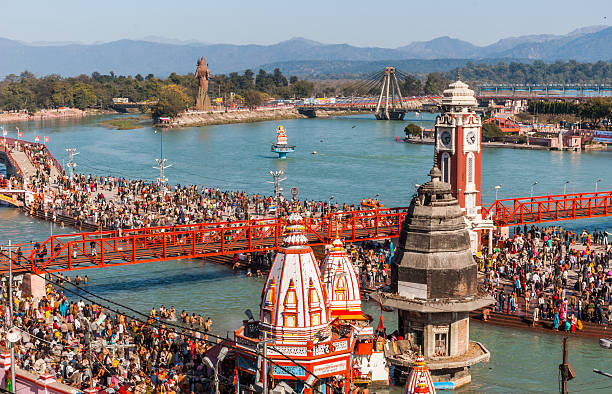
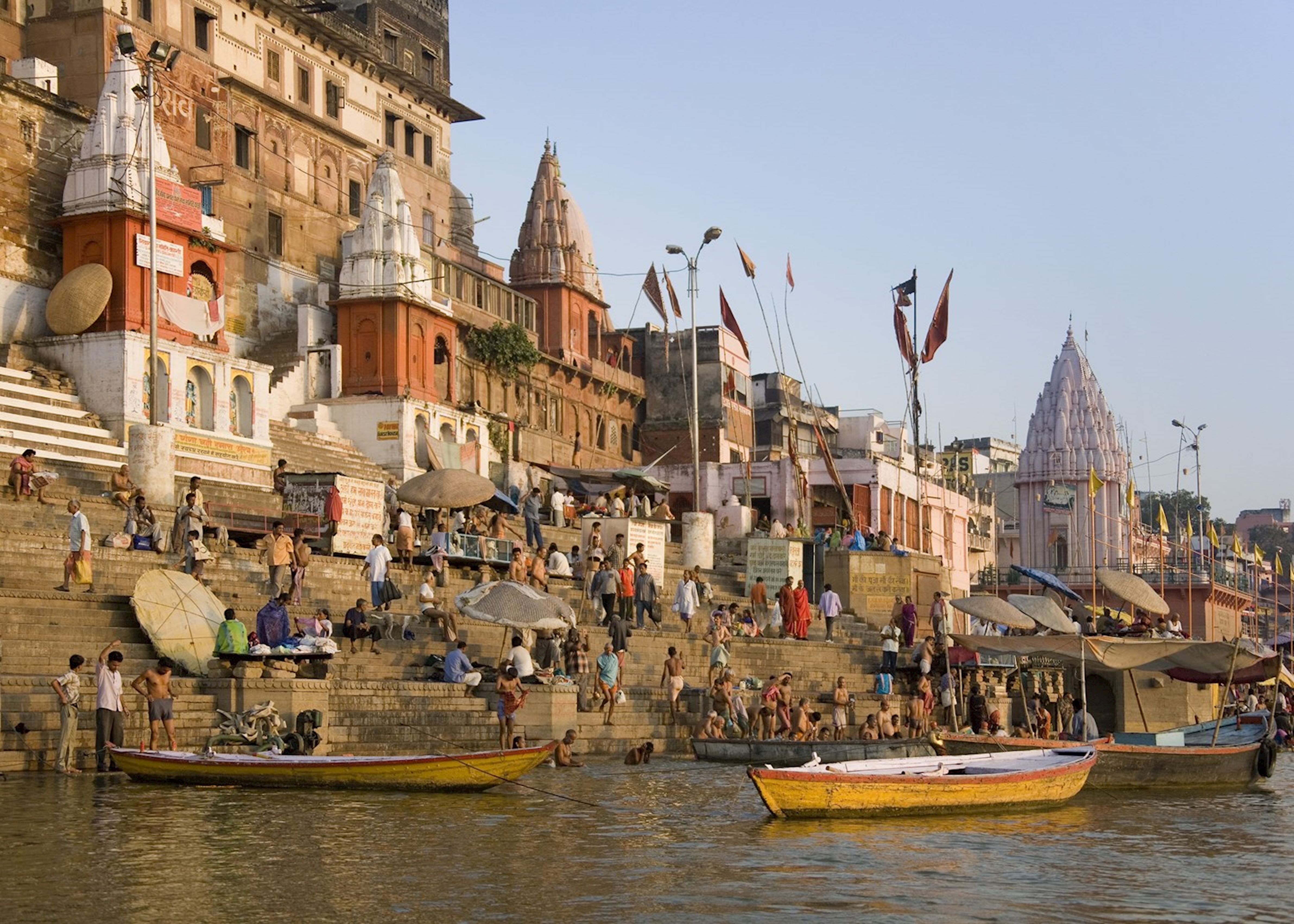
There are various types of diyas—single-wick lamps, multi-wick aarti lamps, Nanda deepas, and floating diyas used in water during rituals like Ganga Aarti. Each diya type carries a specific significance based on the ritual or occasion.
Spiritual Meaning
Lighting a diya is also seen as an act of self-offering. As the wick burns steadily in the oil, it signifies the burning away of ego and ignorance. The flame points upward, inspiring one to rise spiritually. In some beliefs, it is said that the left side of the flame represents worldly pleasures and the right side signifies spiritual knowledge—together guiding one toward balance and enlightenment.
The Diya in Temple Traditions
In temples, diyas are lit before the deity in sanctum sanctorums, especially during Aarti, the ritual offering of light. It is believed that the deity blesses the lamp and its flame becomes a conduit of divine energy. Devotees often take blessings by placing their hands near the flame and then touching their forehead.
The diya is a humble yet powerful object in Hindu pooja. It reflects the core values of hope, faith, and spiritual awakening. Whether lit during a grand temple aarti or a simple home prayer, the diya continues to radiate warmth, sanctity, and divine grace in every Hindu ritual.


