










Purnima, or the full moon day, holds immense spiritual, religious, and cultural significance in Hinduism. It marks the day when the moon is at its brightest and fullest, symbolizing completion, prosperity, and divine blessings. Many Hindu festivals, rituals, and fasting observances take place on Purnima, making it an auspicious day for devotees seeking spiritual growth and divine grace.
Spiritual and Religious Significance
Purnima is considered a highly sacred day in Hinduism as it is associated with numerous deities and mythological events. The full moon is believed to amplify positive energies, making it an ideal time for meditation, prayers, and spiritual practices. The moon’s brightness symbolizes enlightenment, purity, and wisdom, encouraging devotees to focus on self-purification and devotion.
Many Hindu scriptures, including the Puranas and Vedas, mention the importance of Purnima. Several prominent festivals, such as Guru Purnima, Buddha Purnima, Sharad Purnima, and Kartik Purnima, are celebrated on this day. Additionally, it is believed that performing acts of charity, worship, and fasting on Purnima helps remove sins and brings prosperity.
Purnima Vrat (Fasting) and Rituals
Observing Purnima Vrat (fasting) is a common practice among Hindus. Devotees observe a fast from sunrise to moonrise, consuming only sattvic food or fruits. Some people choose to observe a full-day fast without water, depending on their devotion and physical ability.
The day typically begins with an early morning bath, followed by prayers to Lord Vishnu, Lord Shiva, or Goddess Lakshmi, depending on the particular month’s significance. Reading sacred scriptures like the Satyanarayan Katha, performing havan (fire rituals), and donating food, clothes, and essentials to the needy are considered highly meritorious.
On the night of Purnima, devotees offer prayers under the full moon, meditating and chanting mantras such as the Gayatri Mantra or Vishnu Sahasranama. Many temples conduct special abhishekam (ritual bathing of deities) and kirtans (devotional singing) to mark the occasion.
Read also Significance of Amavasya in Hinduism
Major Purnima Festivals in Hinduism
Several significant festivals fall on Purnima, each holding unique religious importance:
- Guru Purnima (June-July) – Dedicated to honoring spiritual teachers (Gurus) and seeking their blessings.
- Buddha Purnima (April-May) – Celebrates the birth, enlightenment, and nirvana of Lord Buddha.
- Sharad Purnima (September-October) – Associated with Lord Krishna’s Raas Leela, and known for the special moonlight kheer (sweet dish) offering.
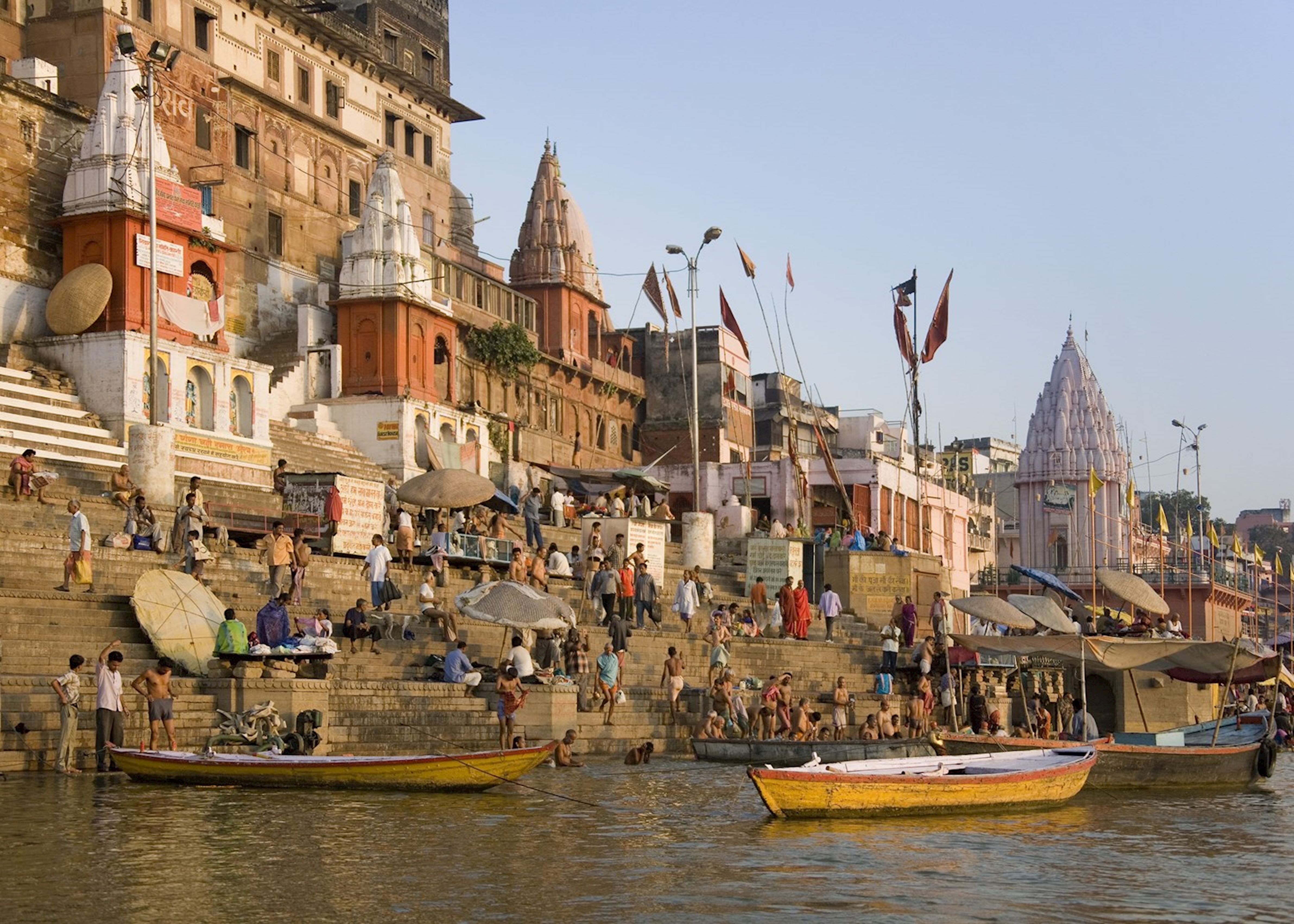
- Kartik Purnima (November) – Considered highly auspicious for taking a holy dip in rivers, performing charity, and worshiping Lord Shiva and Vishnu.
- Magha Purnima (January-February) – A sacred time for pilgrimage, Ganga snan (holy bath), and spiritual sadhana.
- Holi (Phalguna Purnima) (February-March) – Celebrates the victory of good over evil and the divine play of Lord Krishna.
Purnima is a day of divine connection, purification, and devotion. It is a time to seek blessings, perform virtuous deeds, and elevate one’s spiritual consciousness. Whether through fasting, charity, prayer, or meditation, observing Purnima with sincerity is believed to bring peace, prosperity, and spiritual growth.


