










Shradh Paksh, also known as Pitru Paksha, is a sacred 15-day period in Hinduism dedicated to honoring ancestors. It usually falls in the month of Ashwin (September–October) as per the Hindu lunar calendar. Hindus believe that performing Shradh rituals during this time helps the souls of ancestors attain peace and blesses the family with prosperity, health, and spiritual well-being.
Importance of Shradh Paksh in Hinduism
In Sanatan Dharma, ancestors hold a revered place. According to scriptures like Garuda Purana and Matsya Purana, souls of forefathers visit the earth during Shradh Paksh. Offering food, water, and prayers during this period ensures their satisfaction. It is believed that by performing Shradh, Pitra Dosha (ancestral curse) is removed, and the family is blessed with good fortune, knowledge, and success.
The ritual of Shradh is not just a duty but also an expression of gratitude towards parents, grandparents, and all forefathers who contributed to our existence and lineage.
Which Pooja Should We Do in Shradh Paksh?
During Shradh Paksh, devotees perform various rituals to honor their ancestors:
-
Tarpan: Offering water mixed with sesame seeds and barley to ancestors.
-
Pind Daan: Offering rice balls (pind) to provide peace to departed souls.
-
Havan & Brahman Bhoj: Performing havan and feeding Brahmins is considered highly auspicious.
-
Shradh Pooja at Home: Families can perform Shradh rituals at home with the guidance of a pandit.
-
Tri Pindi Shradh: Performed for ancesstors who was died early age or Akal Mrityu
-
Narayanbali Pooja: Best time to perform Narayanbali pooja for people who have Pitri Dosh or any close relative died early or Akal mrityu
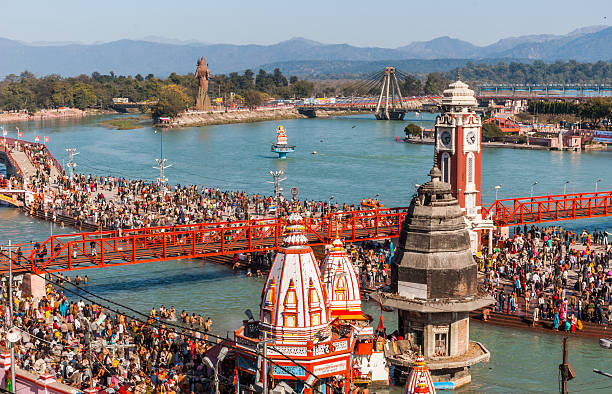
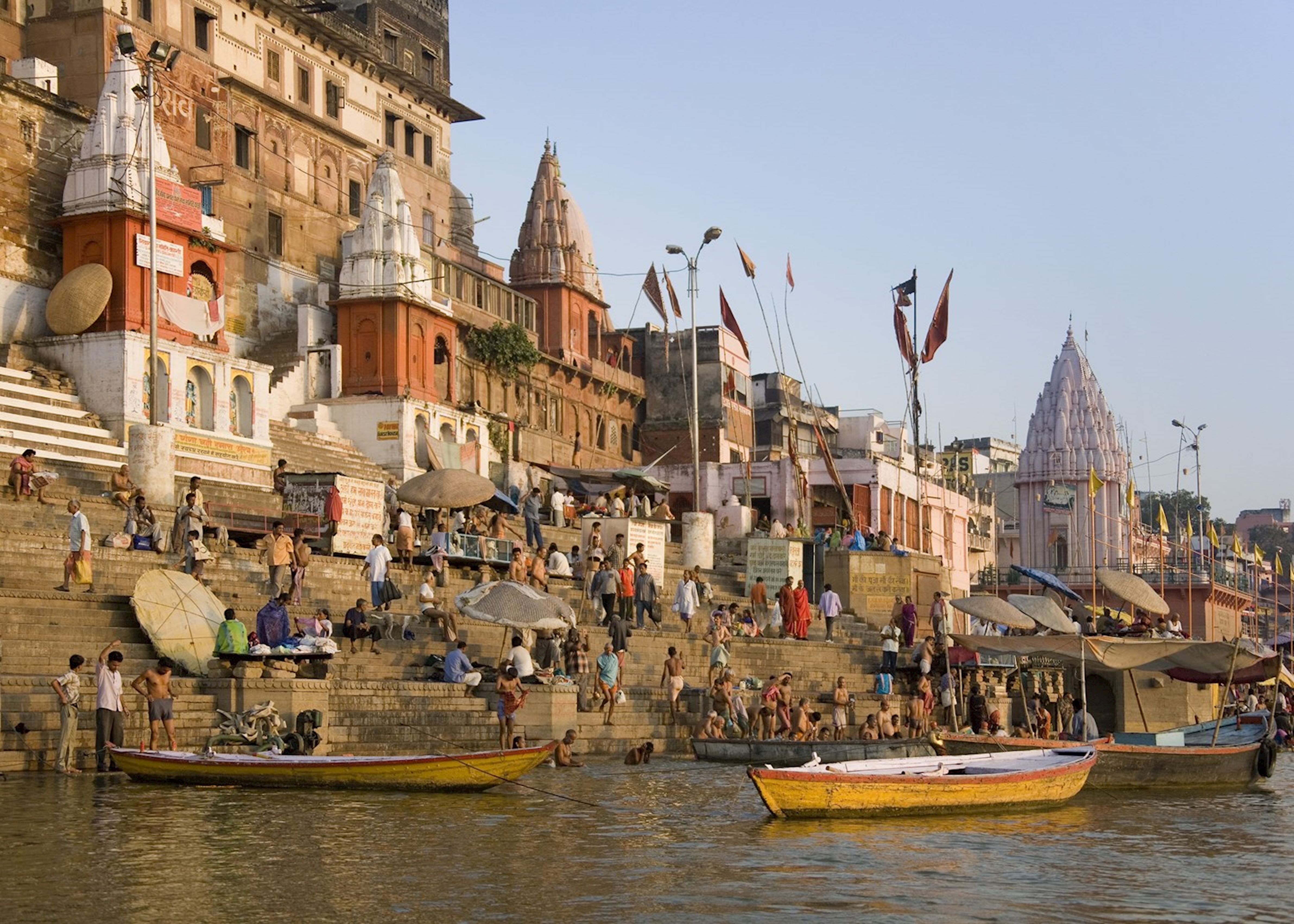
Platforms like Poojat.com help devotees book pandits and perform Shradh Pooja easily in Gaya, Varanasi, Haridwar, Prayagraj or temples and homes.
What Should We Do in Shradh Paksh?
Devotees observe certain practices during Pitru Paksha to show respect and devotion:
-
Offer food made of rice, dal, vegetables, and kheer to Brahmins and needy people.
-
Avoid auspicious activities like weddings, housewarming, or starting new ventures.
-
Perform charity (daan) such as donating clothes, grains, and money.
-
Recite Bhagavad Gita, Vishnu Sahasranama, or Pitru-related mantras.
-
Maintain purity, avoid non-vegetarian food, alcohol, and unnecessary travel.
By following these rituals, Hindus believe they strengthen their bond with ancestors and invite divine blessings.
History of Shradh Paksh in Gaya
The holy city of Gaya in Bihar holds immense significance for Shradh rituals. According to Hindu mythology, it is believed that Lord Vishnu granted salvation to the ancestors of a demon named Gaya Asura at this place. Since then, Gaya has become the most sacred destination for performing Pind Daan and Shradh rituals.
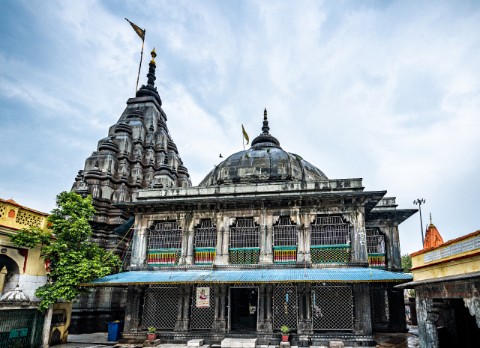
Thousands of devotees from across the world visit Gaya during Pitru Paksha to perform Pind Daan at Vishnupad Temple , Akshay Vat and on the banks of the Falgu River. Scriptures mention that offering Pind Daan in Gaya ensures liberation (moksha) for the soul of the departed and eternal blessings for the family.
Shradh Paksh is a divine opportunity to pay homage to ancestors and seek their blessings. Performing Shradh Pooja, Tarpan, and Pind Daan—especially in Gaya—holds great spiritual merit. This ritual connects generations, purifies the family lineage, and fulfills the sacred duty of honoring one’s roots.


