









Navratri Across India: A Cultural Kaleidoscope
Navratri is celebrated widely across India, a nation renowned for its complex tapestry of cultures, cuisines, and traditions. The celebration of Navratri, which translates to "nine nights" in Sanskrit, is of great significance, and it is intriguing to see how each region of the country celebrates it differently.
North India: Navratri is celebrated in North India as a celebration of Lord Rama's triumph over the evil king Ravana. The celebration is characterized by the dramatic Ramlila performances, which culminate in the burning of the effigies of Ravana and his brother Kumbhakarna on Vijaya Dashami. Special pujas, fasting, meditation, singing, and dancing all take place during these nine days. It is a celebration of music, art, life, and learning. During Navratri, it is customary to exchange presents including clothes, jewelry, and practical home things.
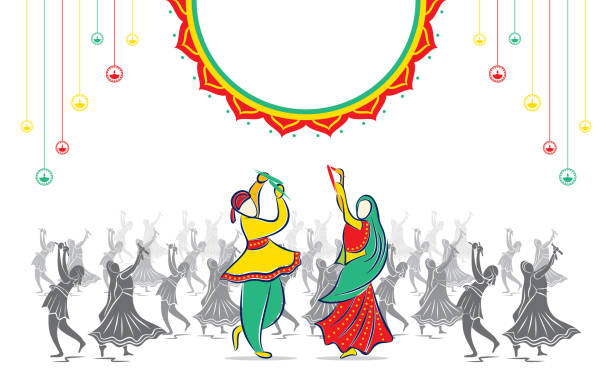
Western India (Gujarat and Rajasthan): Exuberant Garba and Dandiya-Raas dances are closely associated with Navratri in Gujarat and Rajasthan. "Garba" denotes the womb, where a lamp-filled earthen pot represents the life that is contained therein. For the energetic Dandiya dance, which involves welding sticks, men and women partner up. During Navratri, the area comes to life with colorful clothing, upbeat music, and dancing, promoting social gatherings and celebrations.
Eastern India (West Bengal, Odisha, Assam, Bihar): Durga Puja, which is largely observed in West Bengal, is honored on the final five days of Sharad Navratri in Eastern India. Building pandals with lifelike idols of Goddess Durga killing the demon Mahishasura is a part of this spectacular festival. A time for creative and cultural expression, Durga Puja includes contests to choose the most stunning pandal. This major celebration centers on Kolkata, attracting visitors from all across the nation for the Maha Aarti and other activities.
Also Read : Karwa Chauth 2023 special
Southern India: During Navratri, people in the southern states invite their friends, family, and neighbors to see the "Kolu," a display of dolls and miniatures. This custom denotes a period of education and requesting the blessings of the goddesses Saraswati, Lakshmi, and Durga. Families erect an exhibit like a stairway out of dolls, focused on a different deity every day. This tradition has great cultural significance and is known as "Bombe Habba" in Karnataka, "Bommai Kolu" in Tamil Nadu, "Bomma Gullu" in Malayalam, and "Bommala Koluvu" in Telugu. Dolls are frequently handed down through the generations.
Andhra Pradesh: In Andhra Pradesh, Navratri is observed as "Batukamma Panduga," a festival honoring Goddess Shakti. Using seasonal blooms, women construct complex flower stacks known as "Bathukamma". They perform pujas, don brand-new sarees and jewelry, and finish the celebration by floating their Bathukamma in lakes or other bodies of water.
Kerala:In Kerala, Navratri lasts for the last three days and emphasizes learning and knowledge. Devotees place books and musical instruments in front of the idol of Goddess Saraswati, worshiping these symbols of wisdom. On Dashami, the books are taken out for reading, promoting the importance of education.
Karnataka: Navratri is celebrated in Karnataka as "Naada Habba," and it is based on customs that date back to the Vijayanagara period. Elephant processions, fairs, and exhibitions of handicrafts and artifacts are all part of the celebrations, which honor the area's rich cultural legacy.
Maharashtra: In Maharashtra, Navratri represents fresh starts and is frequently connected to important life milestones like purchasing a home or a car or striking new business partnerships. Married women practice the custom of "Saumangalyam," in which they give acquaintances token gifts. Every community enthusiastically celebrates Garba and Dandiya nights..
Also Read : https://www.poojat.com/blogs_details?id=diwali-pooja--celebration-2023
Himachal Pradesh: Himachal Pradesh observes "Kullu Dussehra," the day of Lord Rama's homecoming to Ayodhya, as part of their Navratri celebration. Goddess Durga is worshiped by processions of idols from temples and visits to numerous temples in the Kangra, Una, and Bilaspur districts.
Punjab : In Punjab, the first seven days of Navratri are spent fasting, while the last day is spent worshiping nine girls and a male known as "Kanjika." In order to worship Goddess Shakti, devotees conduct jagratas and stay awake all night.
Navratri is a celebration that encapsulates the unity in diversity across India. While the festival's core theme revolves around the worship of Goddess Durga and the victory of good over evil, the customs, rituals, and festivities take on unique forms in each region, contributing to India's colorful and culturally rich mosaic.


