


Jagannath Puri Rath Yatra
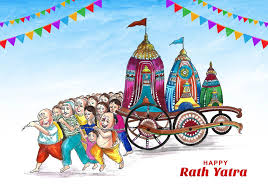
One of India's most important and well-known events, the Jagannath Puri Rath Yatra is renowned for its deep historical and cultural significance. This chariot festival honors Lord Jagannath, Lord Balabhadra (Balarama), and Devi Subhadra and is held every year at the holy city of Puri in the Indian state of Odisha. Here, we'll examine the background, parade, and cultural significance of this enormous festival.
History of Jagannath Puri Rath Yatra
The Jagannath Puri Rath Yatra has a long history that is firmly anchored in Hindu tradition and mythology. The event is a celebration of both spiritual and cultural significance because its beginnings are connected to several tales and legends.
The trip of Lord Krishna, Lord Balarama, and Devi Subhadra from Dwarka to their aunt's home in Vrindavan is one of the most well-known tales related to the Rath Yatra. This journey is thought to be a recreation of Lord Krishna's departure from Gokul towards Mathura, where his maternal uncle Kansa had welcomed him.
Dwarka is the setting of yet another well-known Rath Yatra narrative. It concerns Lord Krishna's eight wives, who wished to hear from Mother Rohini tales of Krishna's antics. As the door guard during the storytelling, Subhadra became so engrossed in the stories that she unintentionally blocked the entrance for Lord Krishna and Lord Balarama. The close relationship and constant presence of the three gods in the Jagannath Temple are represented by this tale.
Also Read: https://www.poojat.com/blogs_details?id=dwarkadhish-temple
The Procession
A massive and intricate festival, the Jagannath Puri Rath Yatra draws millions of devotees from all across India and the world. There are several significant ceremonies and stages in the procession:
Building of Chariots: On the auspicious day of Akshaya Tritiya, work on the three imposing chariots—one for Lord Jagannath, one for Lord Balabhadra, and one for Devi Subhadra—begins. These enormous chariots, which are a distinctive aspect of the celebration, are constructed only from Neem wood.
Snana Purnima: In a public ceremony known as "Snana Purnima," the goddesses are bathed in 109 buckets of water before the start of the Rath Yatra. Witnessing it is a magnificent spectacle for followers. An important rite called Chera Pahara involves the King of Puri cleaning and preparing the way for the holy journey by sweeping the path of the chariots with a golden-handled broom and fragrant water.
Rath Yatra: The festival's centerpiece is the procession of the gods through the streets of Puri while being pushed by throngs of worshippers. From the Jagannath Temple to the Gundicha Temple, chariots move.
Gundicha Yatra: For a week, the gods reside at the Gundicha Temple, where devotees can have darshan (holy sight) of the gods while they are there.The deities leave the Gundicha Temple and travel back to the Jagannath Temple on their return journey (Bahuda Yatra). This occasion is referred to as Dakshina Mukha or Bahuda Yatra.
The Rath Yatra finishes with the Suna Besha and Adhara Pana, when sweets and drinks are offered to the gods and the deities are decorated in gold jewelry.
Cultural and Religious Significance:
The Jagannath Puri Rath Yatra holds immense cultural and religious importance in India and among Hindus worldwide. Here are some key aspects of its significance:
Symbol of Unity: The Rath Yatra brings together people from diverse backgrounds and communities. Devotees from all walks of life come together to participate in the chariot procession, symbolizing unity and devotion.
Spiritual Journey: The festival represents the spiritual journey of Lord Jagannath and the bond between the deities and their devotees. It is believed that by participating in the Rath Yatra, one can attain blessings and spiritual growth.
Inclusivity: The Jagannath Temple is known for its inclusive worship. It welcomes people of all castes, creeds, and religions to have darshan of the deities, promoting a message of tolerance and acceptance.
Cultural legacy: Puri and Odisha's cultural legacy have been greatly influenced by the Jagannath cult. It has spawned distinctive artistic genres, musical styles, and dance customs including the classical Odissi dance and the singing of Ratha Yatra melodies.
Also Read: https://www.poojat.com/blogs_details?id=dwarkadhish-temple
Hindus regard the Jagannath Temple in Puri, which is one of the Char Dham pilgrimage destinations, to be a must-visit location. Devotees have a special place for it in their hearts and consider it to provide blessings and comfort on the spiritual plane.
The Jagannath Puri Rath Yatra is a festival that unites people through religious observance and artistic expression. It continues to be a spectacular and cherished celebration that draws millions of pilgrims and tourists each year and captures the rich traditions and ideals of Hinduism.