


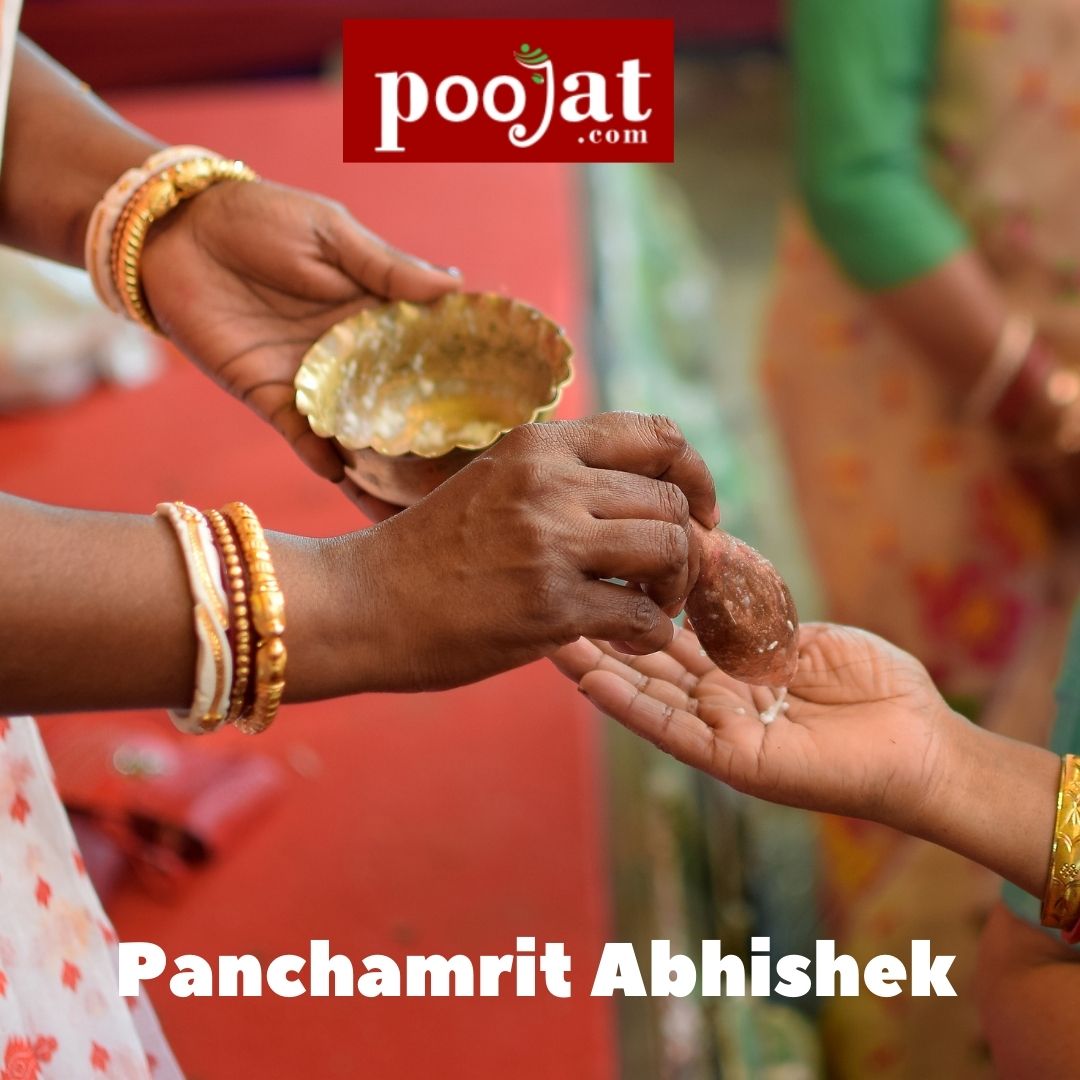
Panchamrit Abhishek for Lord Shiva: Ingredients, Rituals, and Benefits
Various food items are offered to Lord Shiva during the unique Hindu rite known as Panchamrit Abhishek. Hindu traditions place great importance on this rite, which is said to bestow wealth, prosperity, tranquility, and good health upon its practitioners. Five sacred objects, referred to as Panchamrit, are poured over the Shivling as part of the ritual. These objects are all symbolic of divine qualities like sweetness, sustenance, and purity.
Ingredients of Panchamrit for Shivling:
The following five things are necessary for Shivling Panchamrit:
Milk: A representation of sustenance and purity.
Yogurt: Symbolizing the calming and cooling properties.
Honey: A representation of harmony and sweetness.
Ghee: symbolizing the nourishing and cleansing properties of fire.
Sugar (Rock Kandy or Mishri): Sugarcane juice is used in some versions.
Rituals of Panchamrit Abhishek:
- The Panchamrit Abhishek is a sacred ceremony with specific rituals performed to invoke Lord Shiva's blessings. The key steps involved in the ritual are as follows:
- Sankalp: Devotees take a solemn vow in the name of the deity, expressing their intention and devotion for the Panchamrit Abhishek.
- Invocation of Lord Shiva: The priest or devotee invokes Lord Shiva through mantras and prayers, seeking his divine presence and blessings.
- Panchamrit Abhishek: The Panchamrit, comprising milk, yoghourt, honey, ghee, and sugar, is poured onto the Shivling while chanting mantras. Each ingredient is symbolic and contributes to the divine energy of the ritual.
- Arti: After the Abhishek, an aarti (ceremonial waving of lights) is performed, accompanied by the chanting of hymns and prayers.
- Blessings: Devotees seek blessings from Lord Shiva for peace, prosperity, and overall well-being.
Also Read: Pind Daan: A Blend of Tradition and Scientific
Benefits of Maha Panchamrit Abhishek:
The Panchamrit Abhishek holds significant importance in Hindu rituals, and the benefits associated with this sacred ceremony are multifaceted:
Spiritual Connection: The ceremony creates a strong bond between the participants and Lord Shiva, encouraging devotion and divine communication.
cleansing: The Panchamrit represents the cleansing of the soul and mind because it is made of pure and holy elements.
Blessings from Deities: By completing this Abhishek, followers ask Lord Shiva for blessings in a number of areas of their lives, such as success, riches, and health.
Family Bonding: By bringing family members together for worship, the ritual frequently fosters harmony and a sense of closeness.
Positive Energy: Chanting mantras and offering panchamrit produce positive energy, which brings prosperity and good fortune.
Mental Concentration: The contemplative elements of the Panchamrit Abhishek ritual aid in achieving mental focus and concentration.
Also Read :Jagannath Puri Rath Yatra
Panchamrutham and its Significance:
The meaning of the name "Panchamrutham" is "five nectars." Amrutham is claimed to bestow immortality and is regarded as the food of the gods. The ingredients of the Panchamrutham utilised in the Abhishek include jaggery with cardamom, milk, curd, honey, and ghee. Fresh and dried fruits are frequently included as well. When eaten in modest doses every morning, Panchamrutham is said to strengthen, chill the body, offer freshness, and improve mental alertness.
Specific Benefits of Panchamrutham Ingredients:
- Cow’s Milk: Offers a cooling effect to the stomach, purifies, and symbolises purity and piousness.
- Cow's Ghee: Represents victory, reduces body fat, and imparts a cooling effect on the stomach.
- Honey: Possesses medicinal values and is believed to promote sweet speech.
- Curd: Symbolises prosperity and is known for its cooling and soothing properties.
- Jaggery: Represents happiness and is associated with various health benefits.
- Cardamom: Often added for its aromatic flavour and potential health benefits.
Rudrabhishek - Worship of Lord Rudra:
Rudrabhishek is another significant ritual associated with Lord Shiva. This puja involves the pouring of six different substances, including water, milk, honey, ghee, curd, and sugar, on the Shivling. Each substance has its own symbolism and brings unique blessings to the devotee.
Also Read:Rameshwaram Temple
Reasons behind Performing Rudrabhishek Pooja:
The Rudrabhishek Pooja comprises six Abhishek, each bestowing specific benefits:
Jal Abhishek: Provides blessings for fulfilling desires.
Dudh Abhishek: Blessed with a long and healthy life.
Shahad Abhishek: Enables a life free from hardships and mishaps.
Ghee Abhishek: Protects from diseases and promotes health.
Panchamrit Abhishek: Benefits financial wellness.
Dahi Abhishek: Blesses childless couples with offspring
Deeply ingrained in Hindu customs, the Panchamrit Abhishek and Rudrabhishek Poojas represent dedication, purity, and divine benefits. These rites offer a venue for soul purification, spiritual connection, and requesting Lord Shiva's heavenly blessing. Selecting a trustworthy provider guarantees the genuineness of the rites, enabling followers to reap the significant advantages of these hallowed practices.