


Rama's Birth Date and Celebration of Rama Navami
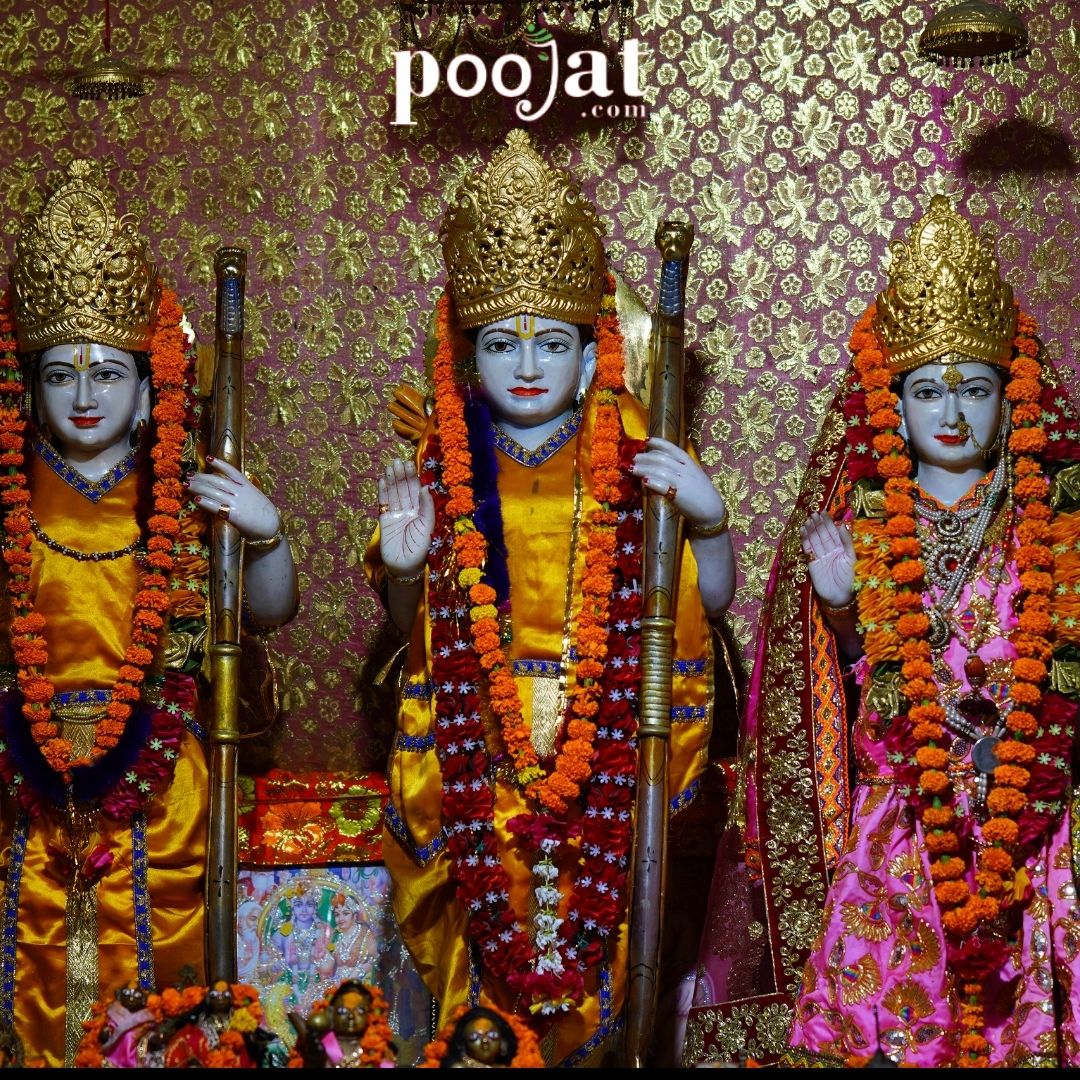
The celebration of Rama Navami in late March or early April contrasts with the planetarium-calculated date of Rama's birth, which is 12:30 pm on January 10, 5114 BCE. This difference results from the equinox's accuracy, which modifies a day every 72 years over a span of 7,200 years. As a result, there is a discrepancy of approximately 100 days between January 10 and April 15. The fascinating idea that Rama ruled for eleven millennia makes us examine the chronology in more detail. This computation is based on Rama's exile at age 25, his return at age 39, and his reign for the next thirty years and six months before giving up the kingdom at the age of 70. The 11,000 years refers to both the years he spent serving the kingdom with dedication and the years that followed.
Also Read : Navratri Across India: A Cultural Kaleidoscope
Pushpaka Vimana:
The imagination is captured by the legend of Pushpaka Vimana, the celestial vehicle in which Rama is said to have returned to Ayodhya after vanquishing Ravana. Symbolizing a vehicle that measures the sky, the vimana is studied in great detail in books such as Maharishi Bharadwaja's Vaimanika Sastra. This old literature discloses the special powers of Pushpaka Vimana, such as its capacity to shrink or enlarge in size. The legend is further enhanced by references to about 120 distinct vimanas, which provide information on the metallurgy, avionics, fuels, and aeronautics utilized in prehistoric flying machines.
Also Read: Do you know which festival is popular in North India ?
A little-known aspect of the Ramayana reveals how deeply devoted Ravana is to Lord Shiva. After ten head sacrifices in an intense attempt to appease the god, Lord Shiva grants Ravana a boon for his perseverance. The return of all ten heads is a sign from God that Ravana's steadfast devotion has been recognized.
Laxman's Sleepless 14 Years: Laxman's unmatched selflessness during Rama's 14-year banishment, which involved not sleeping at all, highlights his fidelity and dedication. This little-known but equally important part of the epic illustrates Laxman's unwavering watchfulness and selfless devotion to protecting Rama and Sita. His restless nights elevate the story beyond the well-known Ramayana episodes and represent the sacrifices made for a greater good.
Also Read: Asthi Visarjan in India
By exposing us to these subtle facets of the Ramayana, we can gain a deeper comprehension of this ageless tale that has spiritual lessons, cultural depth, and significance that have touched millions of people's hearts and minds.
- The antagonist Ravana demonstrated a strong devotion to Lord Shiva by offering his head ten times as a sacrifice in order to grant a wish.
- Pleased with his steadfast devotion, Lord Shiva gave all ten of his heads back to Ravana, emphasizing the divine recognition of his effort.
His restless nights elevate the story beyond the well-known Ramayana episodes and represent the sacrifices made for a greater good.
Also Read: Bhai Dooj, also known by a number of different regional names.